

EU Science and Ethics Advisers Urge Against Weakening AI Rules and Call for Independent Model Testing
Two European Commission advisory groups issued a joint statement: AI rules must stay strong, human oversight must be protected, and the EU must build its own capacity to test AI models.
This article was prepared with AI assistance from the official sources listed below, and checked automatically before publication.
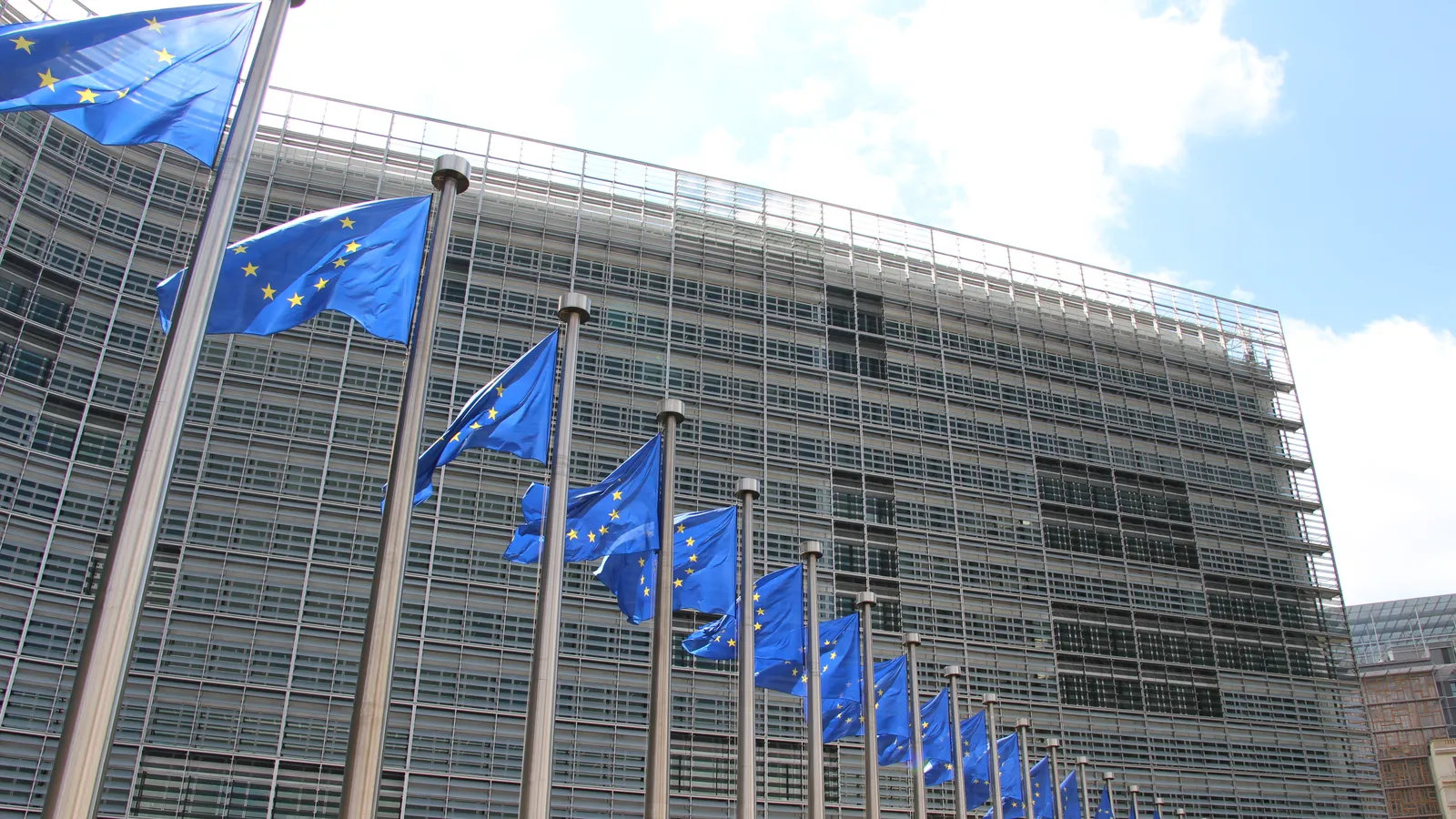
Two European Commission advisory groups, the Group of Chief Scientific Advisors (GCSA) and the European Group on Ethics in Science and New Technologies (EGE), published a joint statement on the next phase of artificial intelligence (AI) on 16 November 2026. According to a release from the European Commission's Directorate-General for Research and Innovation, the two groups consider traditional safeguards no longer adequate for AI that is increasingly powerful, autonomous and woven into everyday life. They call on the European Union (EU) to maintain strong regulation, protect meaningful human oversight, and build its own capability to evaluate AI models.
What the Joint Statement Says
The statement, titled The next phase of artificial intelligence – Governing for safety, security and human agency, highlights that AI presents distinctive challenges for public policy. The advisers acknowledge that Europe already has an ambitious legislative framework, but stress that it must actually be implemented and enforced.
They also issue a warning: weak political commitment or insufficient institutional capacity could erode existing obligations, while external pressure to delay or soften the rules could weaken protections further.
The four main recommendations are:
- Keep the rules strong, with safety, security and human agency as prerequisites for AI development.
- Match the pace of AI development and deployment to the level of potential harm.
- Build independent evaluation capacity, so that the EU can assess models itself rather than leaving that task to commercial developers.
- Build an ecosystem of safety, security and continuous learning, with evidence and evaluation methods that evolve alongside AI capabilities.
The European Commission notes that the two groups have previously offered input on AI, for example on AI in science and crisis management, but a joint statement from both is described as unusual. The GCSA itself consists of seven independent experts appointed in a personal capacity.
Why This Matters
The core message of the statement is that Europe does not have to choose between innovation and safety. The benefits of AI can still be enjoyed, provided that advances in technological capability are matched by stronger evidence, effective oversight, and the capacity to identify and manage risks. The advisers emphasise that regulation must evolve alongside the technology rather than lag behind it.
The statement refers to several relevant EU legal instruments:
- the EU AI Act, Regulation (EU) 2024/1689;
- the 2025 General-Purpose AI Code of Practice;
- the proposed Cloud and AI Development Act, COM(2026) 502 final.
The recommendation on independent evaluation deserves attention. The idea is simple but has major impact: the safety assessment of a model should not rely solely on the claims of those who build and sell it.
Implications for Organisations in Indonesia
EU regulation is often a reference point in AI governance discussions in many countries, including among policymakers in Indonesia. The direction set out in this statement gives an idea of the demands that may become more common in future:
- AI developers and providers, especially those serving European markets or supply chains, need to prepare for requests for independent testing evidence, documentation of human oversight, and risk-based controls.
- Government agencies that buy or use AI systems need to start thinking about who will test those systems, rather than relying only on vendor claims.
- Business owners need to recognise that the speed of AI adoption should be matched to the potential harm of its use, rather than being uniform across all cases.
Practical Steps You Can Start With
Here are some steps organisations can consider starting now:
- Map AI use by risk. Distinguish low-risk applications from those that affect safety, public services or individual rights.
- Define human oversight points. Make sure someone has the authority to review, correct or halt the decisions of an AI system.
- Build internal evaluation capability or use a third party. Do not simply accept test results from the model developer.
- Include testing requirements in procurement. Contracts with vendors can require access for evaluation and adequate documentation.
- Treat evaluation as a continuous process. In line with the EU advisers' recommendation, testing methods need to be updated as AI capabilities develop.
The GCSA and EGE statement underlines one point: the greater the capability of AI, the greater the need for independent oversight and for rules that can keep pace with technological development.
Sources & references
This article is a summary and interpretation by the Oemah Solution team of the sources below. Refer to the original sources for full details and context.