

The EU AI Act: The World’s First Risk-Based AI Regulation
Regulation (EU) 2024/1689 on artificial intelligence entered into force in August 2024 with phased application. Understand its four risk levels and what they mean for developers outside Europe.
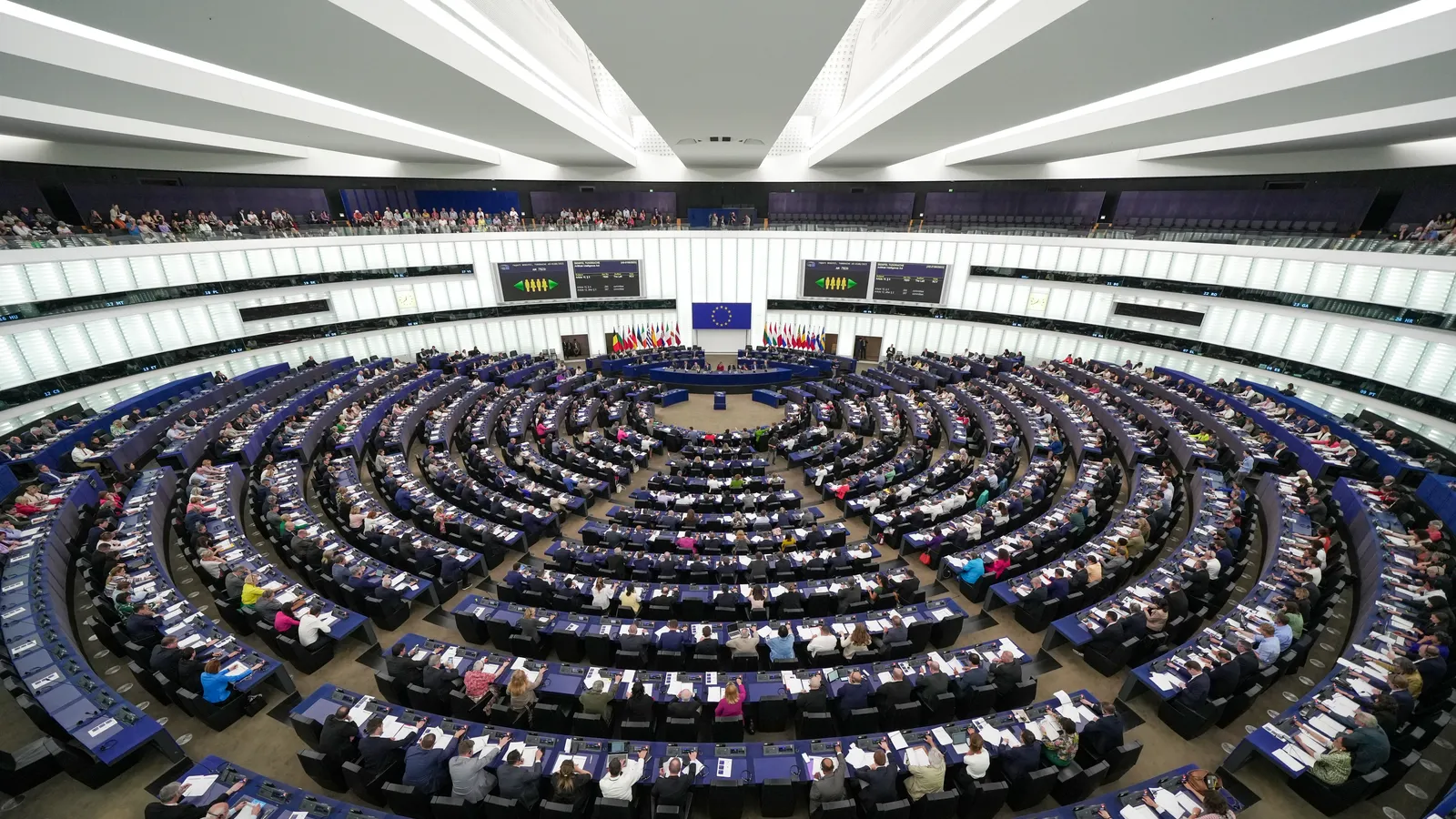
The European Union adopted Regulation (EU) 2024/1689, known as the AI Act — the world's first comprehensive legal framework for artificial intelligence. It entered into force on 1 August 2024, with obligations applying in phases.
A risk-based approach
The AI Act groups AI systems by risk level:
- Unacceptable risk (prohibited) — for example social scoring and manipulative techniques that cause harm. These prohibitions have applied since February 2025.
- High risk — AI systems used in sensitive areas such as critical infrastructure, education, employment, essential services, law enforcement, migration and justice. These systems must meet requirements such as risk management, data quality, technical documentation, record-keeping, transparency, human oversight, and accuracy and cybersecurity.
- Limited risk — transparency obligations, for example telling users they are interacting with a chatbot, or labelling AI-generated content.
- Minimal risk — most AI applications, such as spam filters, with no additional obligations.
The regulation also covers general-purpose AI models, with additional obligations for models considered to pose systemic risk. Violations of the prohibitions can be fined up to €35 million or 7% of global annual turnover, whichever is higher.
Relevance for companies outside Europe
The AI Act applies to providers that place AI systems on the EU market or whose system outputs are used there, regardless of where the company is based. It is also a reference point for many countries drafting their own AI rules.
What you can do now
- Map the AI systems you develop or use, along with their purpose and users.
- Classify their risk level and document the reasoning.
- Apply data governance and model documentation from the start.
- Design human oversight for high-impact decisions.
The timing of some obligations may be adjusted through further EU policy, so always refer to the official text and the latest announcements from the European Commission.
Sources & references
This article is a summary and interpretation by the Oemah Solution team of the sources below. Refer to the original sources for full details and context.