EU and UK Conclude Negotiations on Linking Emissions Trading Systems, Targeted to Apply from 1 January 2028
EU and UK leaders announced the conclusion of negotiations on linking their ETSs at a bilateral summit. Implementation is targeted for 1 January 2028, opening the door to mutual CBAM exemptions.
This article was prepared with AI assistance from the official sources listed below, and checked automatically before publication.
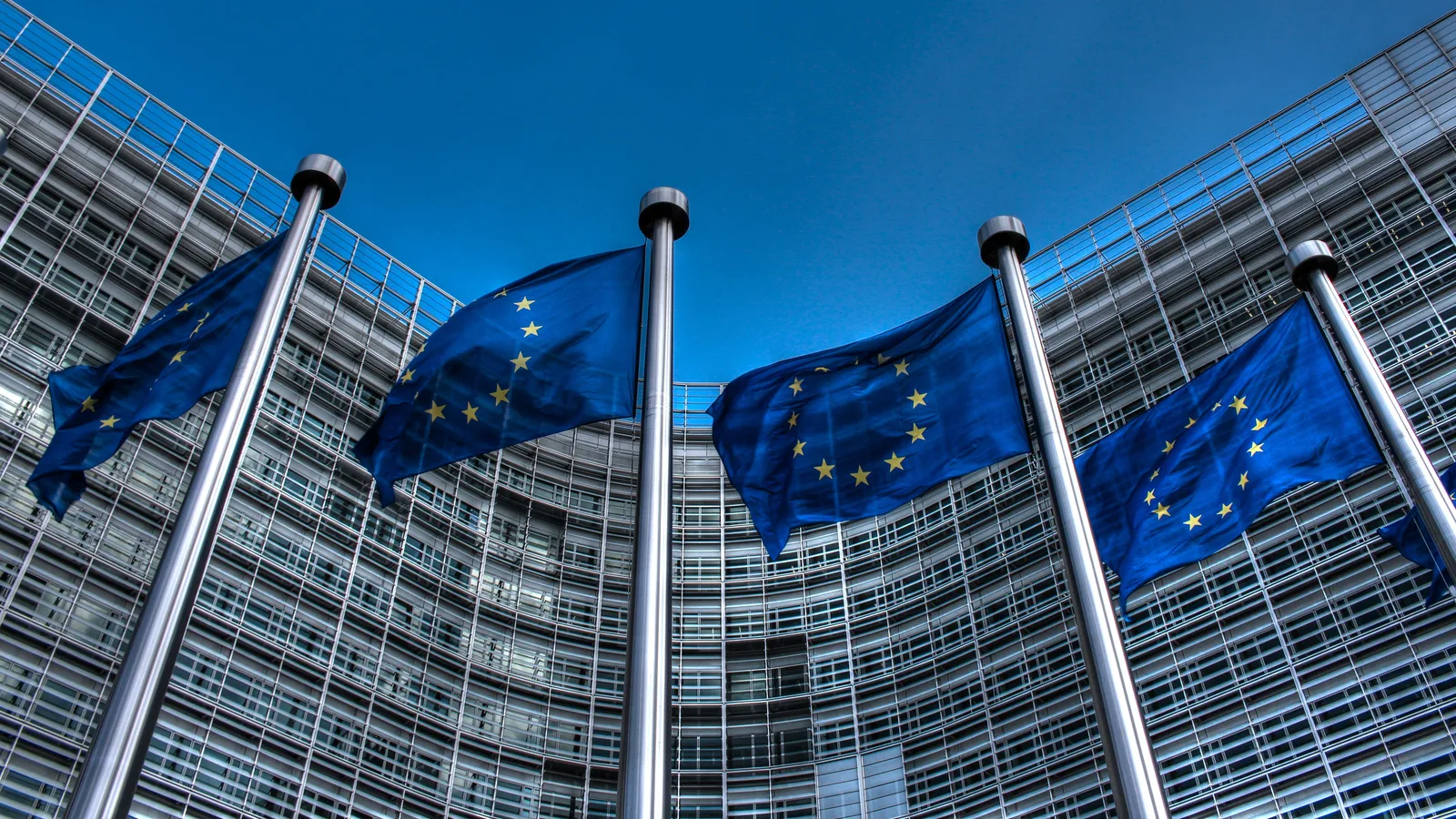
Leaders of the European Union (EU) and the United Kingdom announced the conclusion of negotiations on an agreement to link their respective emissions trading systems (ETS). The announcement was made at a bilateral summit on 20 November 2026, as published by the European Commission's Directorate-General for Climate Action. Both parties are committed to implementing the agreement from 1 January 2028, provided that the ratification process and entry into force are completed in both the EU and the UK.
Key points of the agreement
According to the European Commission, the intention to link the two systems was first announced at the first EU-UK summit in May 2025. Several points highlighted in the release:
- The agreement will ensure that the same set of climate rules on emissions trading applies in the EU and the UK, creating a level playing field for businesses on both sides of the English Channel.
- A larger and more liquid carbon market is expected to produce more stable carbon prices and more efficient investment decisions.
- The UK will expand its ETS, including to the aviation and maritime sectors. As a result, more than 10 million tonnes of additional CO2 emissions will enter the system.
- Both the EU ETS and the UK ETS will monitor the non-CO2 climate impacts of aviation.
- The link with the Swiss ETS, in force since 1 January 2020, will be maintained.
Relationship with CBAM
The European Commission states that this linking provides the basis for possible future mutual exemptions from each side's carbon border adjustment mechanism (CBAM). The aim is to reduce red tape and costs for companies on both sides. It should be noted that such exemptions remain a possibility, not a final decision.
Why this matters for Indonesia
The European Commission's release does not address Indonesia directly. However, the policy direction is important for Indonesian exporters and industry players supplying the European market to watch. An increasingly integrated carbon market and evolving CBAM rules show that product emissions data will increasingly become part of trade requirements.
Several implications to consider:
- Companies exporting to Europe need to understand how developments in the ETS and CBAM affect their supply chains.
- The ability to calculate and credibly verify emissions will be an advantage, so a reliable emissions monitoring, reporting and verification (MRV) system needs to be prepared.
- Because implementation still awaits ratification and the CBAM exemption is not yet certain, planning needs to be flexible across several scenarios.
Practical steps to prepare
- Map the products and destination markets potentially affected by CBAM and the ETS in Europe.
- Build or improve the recording of energy and emissions data at facility and product level, with a clear audit trail.
- Consider digitising data collection so that reporting is more consistent and easier to verify.
- Monitor the progress of the agreement's ratification and decisions on CBAM exemptions through official European Commission sources.
The conclusion of these negotiations marks a step towards a larger carbon market in Europe. For organisations in Indonesia, having reliable emissions data ready is the foundation for adapting to rules that continue to evolve.
Sources & references
This article is a summary and interpretation by the Oemah Solution team of the sources below. Refer to the original sources for full details and context.