EUISS: Global Microsoft Outage Exposes Europe's Dependence on US Digital Tools, a Lesson for Indonesia
EUISS analyst Clotilde Bômont highlights Europe's dependence on US digital services after the global Microsoft outage. What are the risks, and what can organisations in Indonesia learn?
This article was prepared with AI assistance from the official sources listed below, and checked automatically before publication.
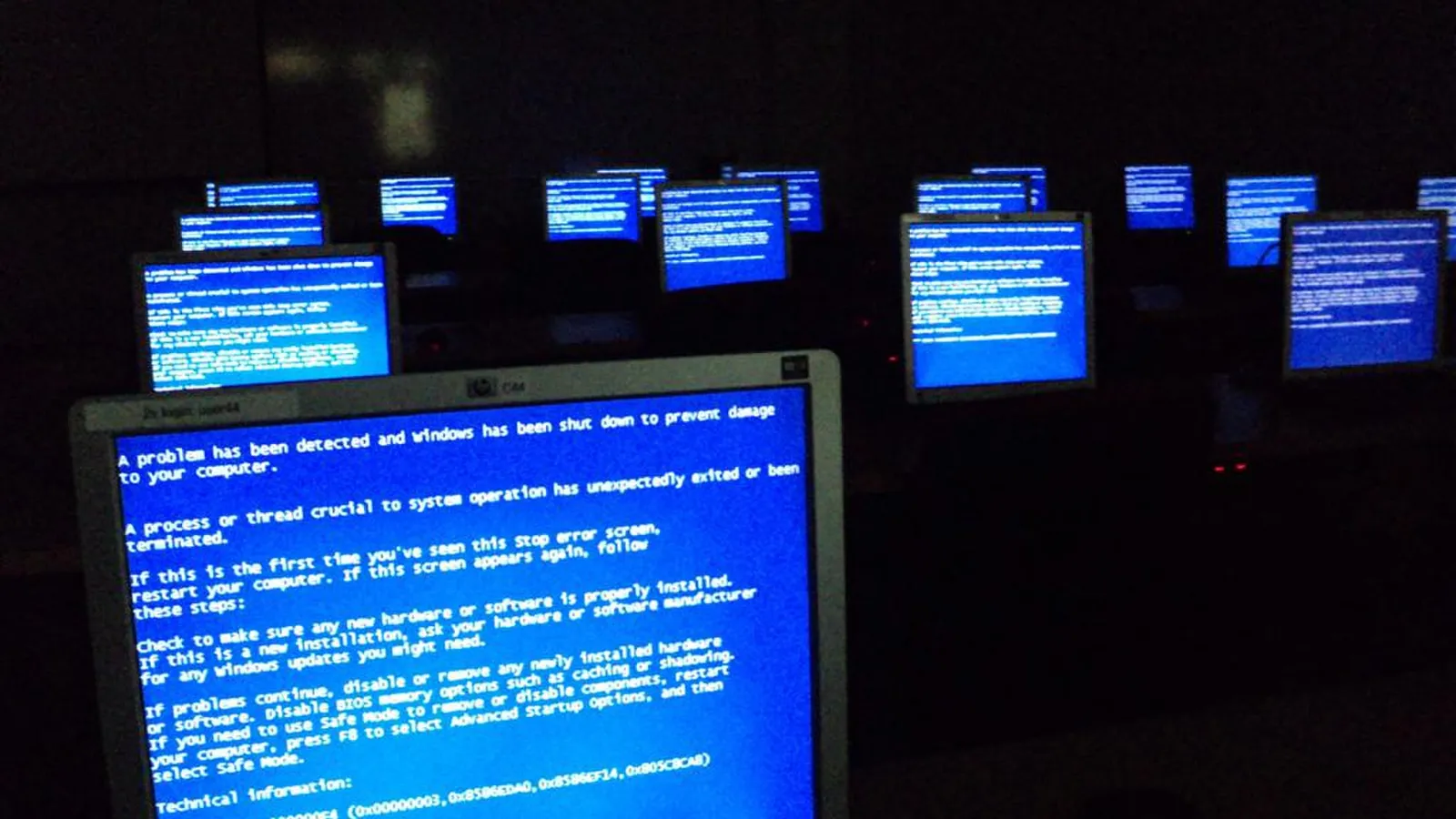
Following the Microsoft service outage that had a global impact the previous week, European Union Institute for Security Studies (EUISS) analyst Clotilde Bômont was interviewed by the French outlet TF1 Info. According to an EUISS statement published on 17 November 2026 and updated on 20 November 2026, she discussed Europe's dependence on digital tools made in the United States, the risks and vulnerabilities that come with it, and why national and European alternatives have not been widely adopted.
What EUISS said
Bômont assessed that the outage appeared to be unintentional and to affect a relatively limited set of services. Even so, its impact was felt significantly across many sectors. She warned that a deliberate outage, on a larger scale and targeting more critical services, could have far more serious consequences.
In the interview she also touched on how Europe arrived at this situation. In her view, mistaken political choices continue to hinder the promotion and use of national and European alternatives that already exist.
Bômont cited one key figure: more than two-thirds of the European cloud market is controlled by three American companies, namely Microsoft, Google and Amazon. She described the cloud as the foundation for many services, including artificial intelligence. In her words, this situation is an oligopoly that creates a bottleneck and makes Europe highly dependent on these companies.
Why it matters
The statement illustrates concentration risk: when many organisations rely on a handful of providers, a single outage can spread across many sectors at once. Bômont's point that the cloud is the foundation of other services, including AI, shows that dependence does not stop at a single application but extends across every layer of digital infrastructure.
It should be noted that this EUISS source is a summary of an interview and focuses on the European context. The market share data cited applies only to the European cloud market, not to Indonesia.
Implications for organisations in Indonesia
Although the context is European, the logic can serve as material for reflection for government agencies and companies in Indonesia that rely on a single cloud provider or productivity suite. Some questions worth asking:
- Which services would stop if one main provider suffered an outage?
- Are there manual procedures or backup systems for critical functions?
- How heavily do we depend on a single vendor for email, collaboration, storage and user identity?
- How is data sovereignty weighed when choosing locations and service providers?
Practical steps to consider
- Map dependencies. Create an inventory of services and their providers, then flag those that are critical to operations.
- Assess concentration risk. Evaluate the impact on business and public services if one vendor becomes unavailable.
- Prepare fallback options. Consider alternative communication channels, separate data backups and a business continuity plan that is tested regularly.
- Evaluate alternatives. Review local or regional providers and open solutions for certain workloads, weighing cost, compliance requirements and technical readiness.
- Involve leadership. Decisions on vendors and data sovereignty are strategic, not merely a technical matter.
Bômont's warning underscores that digital resilience is not only about security against attacks, but also about being ready to cope with disruption at a highly dominant provider. Organisations that review their dependencies early will be better prepared when a similar outage occurs.
Sources & references
This article is a summary and interpretation by the Oemah Solution team of the sources below. Refer to the original sources for full details and context.