

Google Play Requires Games to Meet Large-Screen and Foldable Standards: Tier 3 Applies from August 2027
Google Play has set large-screen and foldable quality requirements for games. Tier 3 (Ready) becomes mandatory from August 2027, and foldable screenshots are required from April 2027.
This article was prepared with AI assistance from the official sources listed below, and checked automatically before publication.
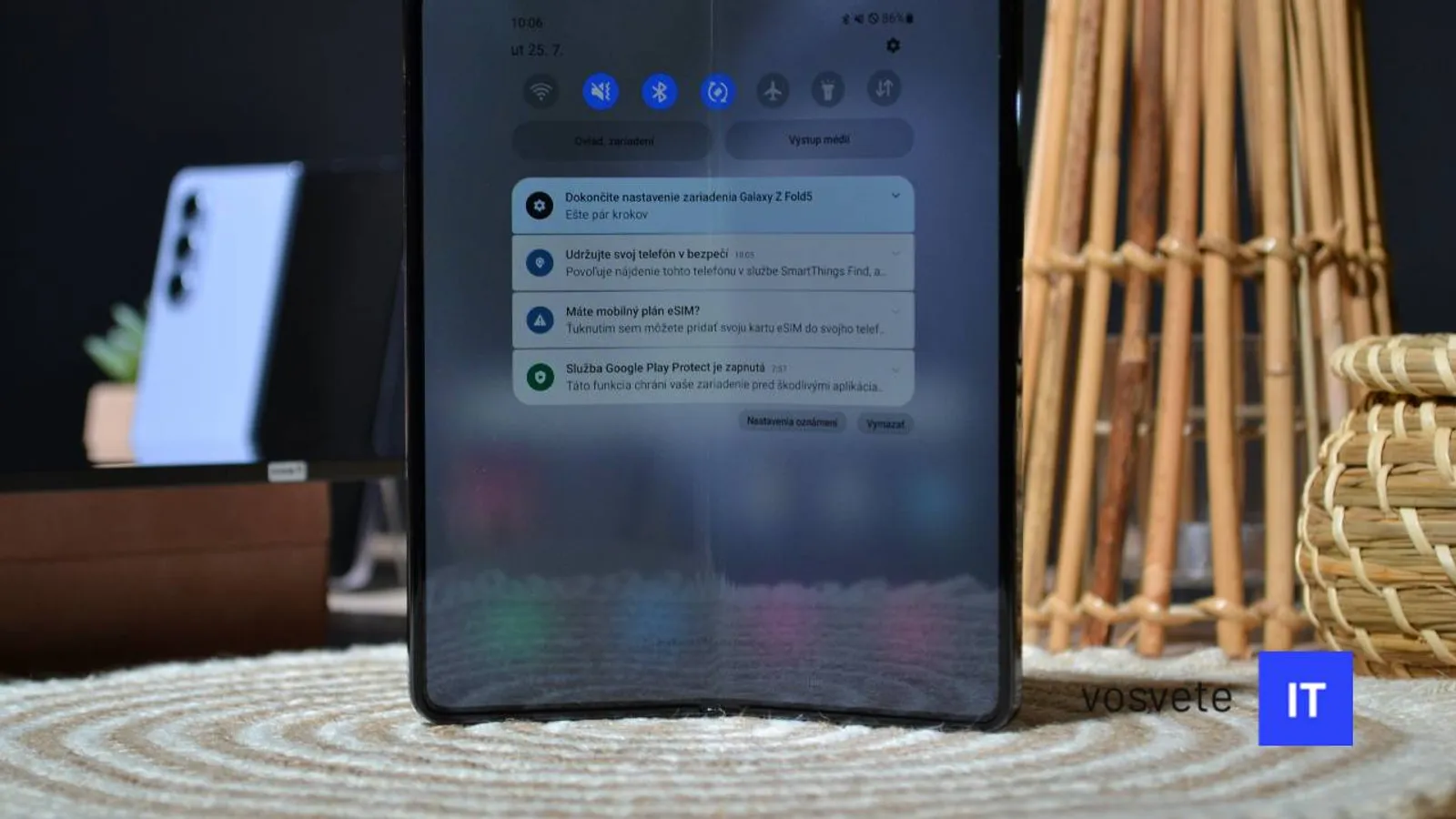
Google Play has introduced new quality requirements for games on large-screen and foldable devices. The announcement was published on the Android Developers Blog on 18 November 2026 by Aurash Mahbod, VP and GM of Google Play Games. From August 2027, games on Google Play must meet a minimum level of support, namely Tier 3 (Ready), for large screens and foldable devices.
What Was Announced
According to the Android Developers Blog, more and more players are choosing foldable devices for gaming. These devices offer two experiences: quick one-handed play on the go, and a tablet-sized experience when unfolded. Players expect smooth transitions between states without having to restart sessions.
Two key deadlines to note:
- April 2027: games must show foldable screenshots on their Play Store listing page.
- August 2027: games must meet the baseline large-screen and foldable quality guidelines (Tier 3).
What Tier 3 (Ready) Means
Google's guidelines consist of three tiers: Tier 3 (Ready), Tier 2 (Optimized), and a top tier for the highest performance and differentiation. Only the baseline tier is mandatory. At Tier 3, a game must:
- display in full screen in the supported orientations, with an unobstructed HUD safe area;
- apply letterboxing or pillarboxing within the engine when the device is rotated to an unsupported orientation;
- preserve state and touch alignment when the device is folded, unfolded or rotated, or when a multi-window window is resized.
The guidance also covers game engine behaviour, in-game viewports, and touch controls on both unfolded foldables and tablets. Android is said to have worked with Unity and Unreal to expand native support for resizing and handling configuration changes. For non-game apps, separate adaptive quality requirements are available.
Impact on Studios and Publishers in Indonesia
Indonesian game studios and publishers that distribute through Google Play have roughly nine months from the announcement to prepare. The greatest risk lies with games designed for only one fixed aspect ratio: the HUD may be cropped, touch controls may be misaligned, or progress may be lost when the device is folded or unfolded.
For software houses that build games or game-like apps for clients, these requirements deserve a place in the QA checklist now, so they do not become last-minute work as the deadline approaches.
Recommended Preparation Steps
- Audit your Unity or Unreal build. Check how window resizing and configuration changes are handled, and make use of the improved native support Google mentions.
- Test fold and unfold transitions. Make sure sessions, level progress and game state remain intact without a restart.
- Check the HUD safe area. Interface elements must not be obstructed across different screen sizes and orientations.
- Validate touch controls. Make sure touch points remain aligned after rotation and multi-window resizing.
- Handle unsupported orientations. Apply letterboxing or pillarboxing within the engine.
- Prepare foldable screenshots for the listing before April 2027.
Closing Notes
Tier 3 is only the minimum threshold. Tier 2 and the top tier remain opportunities for differentiation for games that want to look better on large-screen devices. For the full details of the criteria, refer directly to the Google Play guideline documentation and the Android Developers Blog.
Sources & references
This article is a summary and interpretation by the Oemah Solution team of the sources below. Refer to the original sources for full details and context.