GOV.BR Brazil: Tiered Digital Identity and Face-to-Face Services as a Foundation for Digital Government
A World Bank case study on GOV.BR: a platform that grew from 20 million to more than 170 million users through tiered digital identity and interoperability across levels of government.
This article was prepared with AI assistance from the official sources listed below, and checked automatically before publication.
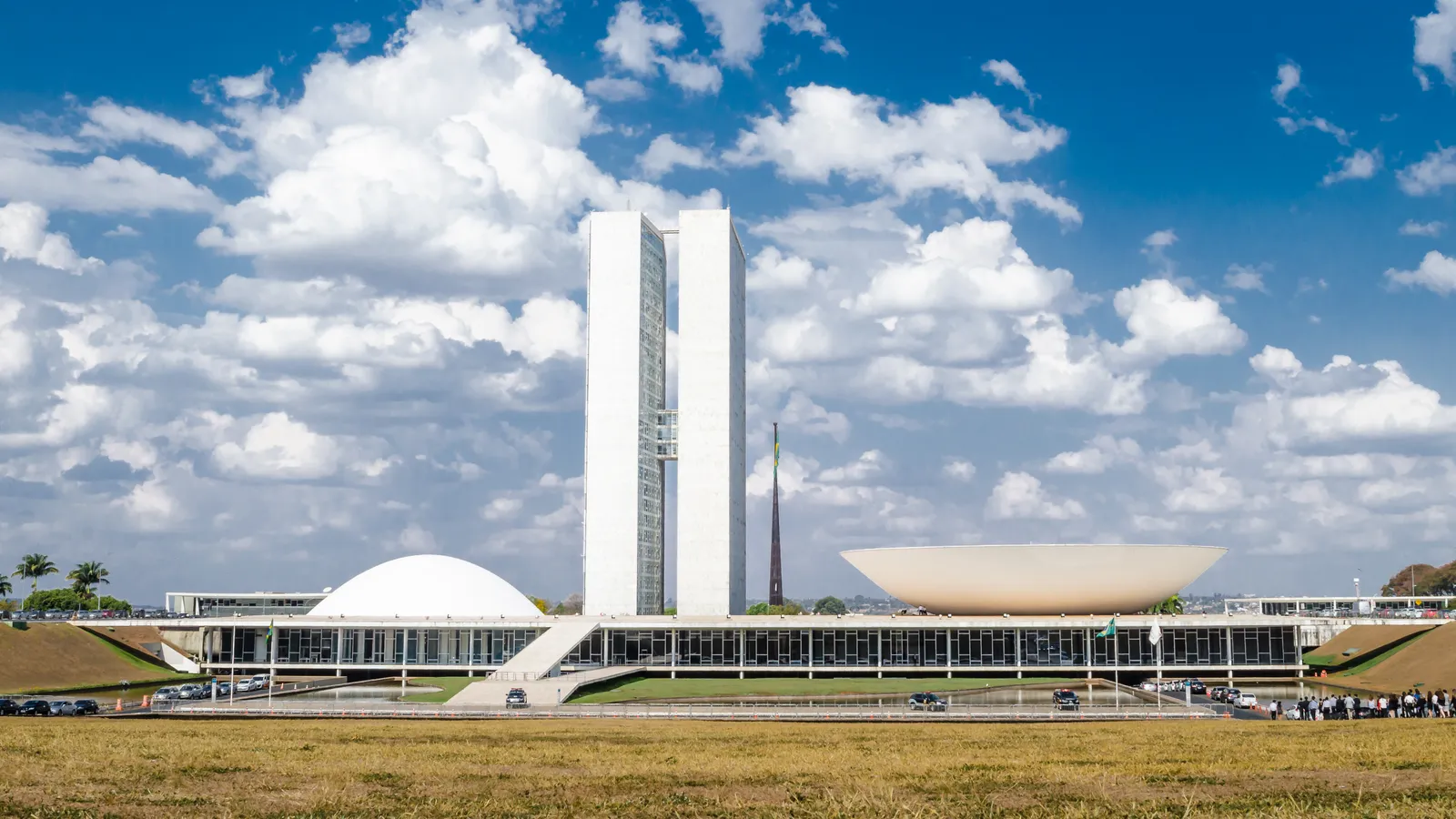
In Brazil, accessing public services once meant dealing with fragmented systems, repeated paper documents, and in-person visits to several government offices. The GOV.BR platform was built to change this through a partnership between the World Bank and Brazil's Secretariat of Digital Government. The story was covered in a World Bank blog post published on 7 April 2026, written by two World Bank specialists and an adviser from the secretariat. This article summarises the case; it is the experience of Brazil and the World Bank, not an Oemah Solution project.
Challenges
According to the World Bank, around a decade ago public services in Brazil faced several problems:
- siloed systems that were hard and costly to scale;
- processes that relied heavily on paper and face-to-face visits to various offices;
- digital services existed but were disconnected, slowing service delivery and excluding millions of citizens;
- responsibility for identity was spread across several parties: civil registries, social protection agencies, financial institutions, and digital service providers.
Solution
The 2019 identity diagnostic
At the request of the Brazilian government, the World Bank, through its Identification for Development (ID4D) initiative, carried out a comprehensive assessment of Brazil's identity landscape in 2019. The assessment served two purposes:
- Engaging stakeholders. The diagnostic became a forum for dialogue that brought various agencies together around a shared vision of an integrated, inclusive and interoperable digital identity ecosystem.
- Supporting platform design. While GOV.BR was still growing, with 20 million registered users, the World Bank helped the secretariat formulate a vision of digital identity that goes beyond authentication, encompassing secure authorisation, interoperable systems, and scalable credentials.
Key elements of the platform
- Tiered digital identity (bronze, silver, gold), largely based on biometric civil registries, so that the level of access security matches the needs of each service.
- Alignment of technical standards and interoperability at the federal, state and municipal levels.
- A priority on data protection.
- Two-factor authentication, device management, and electronic signatures to improve security and ease of use.
- Since 2023, the GOV.BR Citizen Service Counter project with states and municipalities, which offers face-to-face services alongside digital channels.
Results
Figures reported by the World Bank:
- users grew from 20 million to more than 170 million;
- more than 4,000 federal services are available;
- 370 million digital signatures;
- savings of R$12.98 billion through secure, interoperable digital identity;
- 124 service counters serving communities with a combined population of 34 million people.
Citizens can handle taxes, apply for benefits, sign documents, and verify their identity online. World Bank support has also been extended to the states of Espirito Santo and Sergipe, as well as to Caixa Econômica Federal and Serpro (Federal Data Processing Service), with the lessons of GOV.BR adapted to local contexts.
Lessons for organisations in Indonesia
Indonesia also faces fragmentation across agencies and regions as it integrates digital services and national digital identity. Some lessons from this case:
- Start with dialogue across agencies. A joint diagnostic helps bring together the parties that hold different parts of the identity ecosystem before the platform is designed.
- Use a shared identity layer with different assurance levels. Authentication tiers keep low-risk services easy to access, while sensitive services use stronger verification.
- Design for growth. A vision that goes beyond authentication, namely authorisation, interoperability and credentials, guides the architecture so that the platform can grow securely.
- Align standards across all levels of government. Interoperability across federal, state and municipal levels in Brazil is promoted through agreed technical standards.
- Keep services inclusive with physical channels. Face-to-face service counters ensure that citizens who find digital channels difficult to use are still served.
- Make security and data protection a priority. Two-factor authentication and device management strengthen user trust.
Note: the source is a World Bank blog written in part by parties involved in the partnership, so the reported results should be read as claims made by those parties.
Sources & references
This article is a summary and interpretation by the Oemah Solution team of the sources below. Refer to the original sources for full details and context.