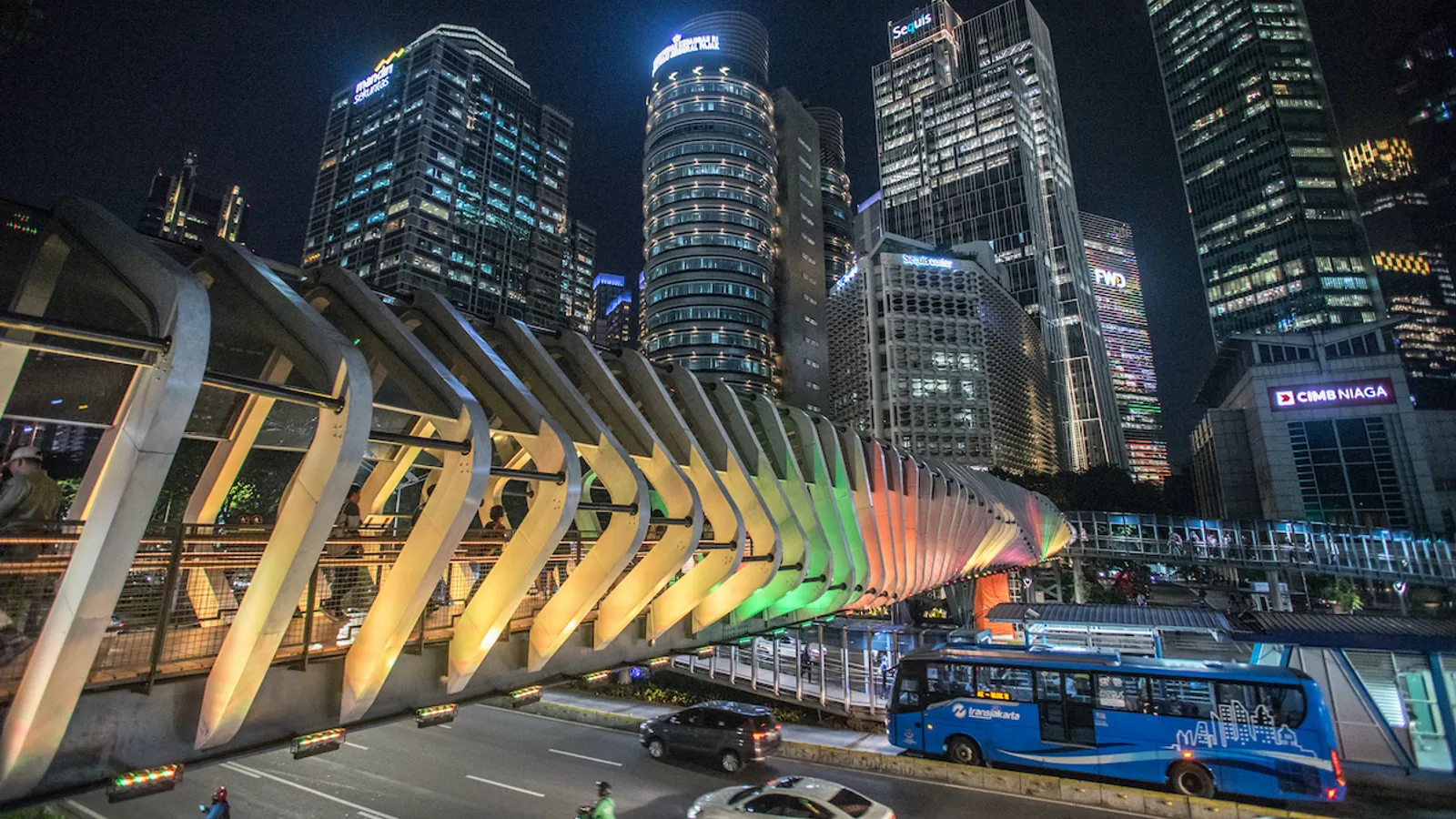
Komdigi: AI Data Centre Expansion Must Be Designed Alongside Renewable Energy, Efficient Cooling and Water Management
Deputy Minister Nezar Patria of Komdigi has asked that AI data centre investment factor in renewable energy, cooling and water from the planning stage. What does this mean for organisations in Indonesia?
This article was prepared with AI assistance from the official sources listed below, and checked automatically before publication.
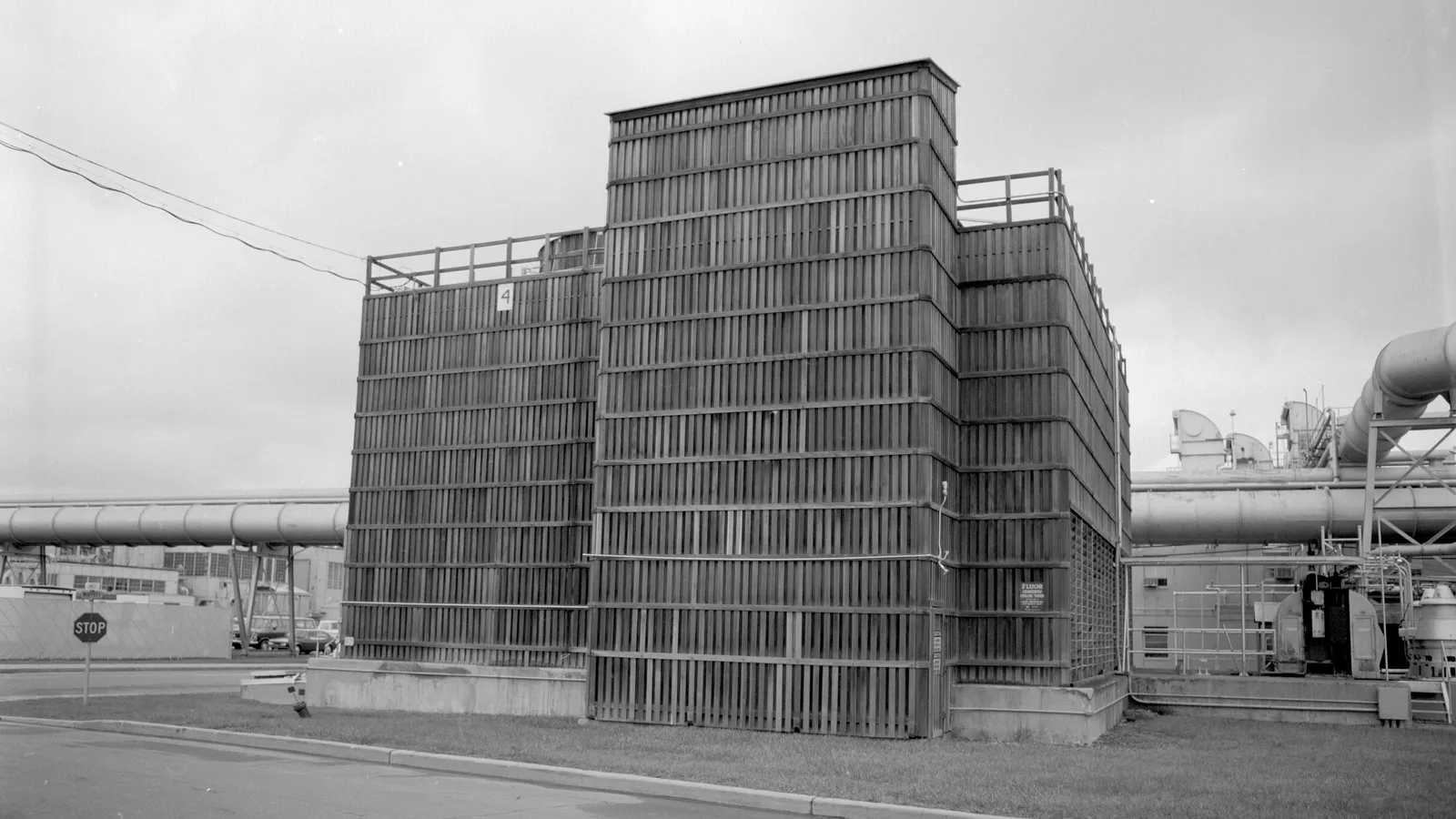
The growth of artificial intelligence (AI) computing is driving the construction of new data centres, and the government is beginning to stress their environmental side. In Komdigi press release No. 257/HM-KKD/11/2026, Deputy Minister of Communication and Digital Affairs Nezar Patria stated that data centre expansion must not place excessive pressure on the environment. The statement was made at the launch of Data Center Equinix Phase 2 in South Jakarta on Tuesday, 10 November 2026. For IT managers, this signal deserves attention because it concerns future AI infrastructure choices.
Key points of Komdigi's statement
According to Komdigi, the growth of data centres for AI needs has consequences for electricity and water consumption. Several points were made:
- The government asks that new investment factor in renewable energy, cooling efficiency, water management and climate resilience from the planning stage.
- Nezar Patria said expansion must be planned together with strengthening the electricity grid, the use of renewable energy, cooling efficiency, water management and reducing electronic waste.
- He regarded green data center innovation as a fairly appropriate step.
- The government hopes that sustainability commitments will not stop at global corporate policy, but will be realised in the operations of data centres in Indonesia.
The press release does not include figures for energy consumption or specific targets, so what is visible at present is a policy direction, not technical requirements.
What is driving this trend
The main driver is the growing need for computing infrastructure to support AI. Nezar said this need makes building data centres increasingly important for digital transformation. On the other hand, he acknowledged that data centres are widely criticised over their use of energy and water, and said this issue is a concern in data centre development in many countries. He also touched on the sensitivity surrounding environmental issues around data centre construction.
In other words, growth in capacity and pressure on resources go hand in hand, and the government wants the two to be balanced from the outset, rather than corrected later.
Implications for organisations in Indonesia
This statement is not yet a regulation, but organisations that run or plan AI workloads in local data centres should be prepared for energy and water efficiency to become a factor in vendor selection, procurement and possibly regulation. Practical steps to consider:
- Ask colocation and cloud providers about renewable energy use, cooling efficiency and water management at facilities operating in Indonesia, not just global policies.
- Include sustainability criteria in procurement documents and vendor evaluations.
- Treat energy and water consumption as a cost and compliance risk when planning AI infrastructure capacity.
- For public agencies, align planning with Komdigi's policy direction from the early stages of a project.
Our view
This section is the editorial opinion. The government's emphasis on planning from the outset makes sense, because decisions about location, cooling and energy supply are hard to change once a facility is built. The hope that global commitments will be realised in local operations also shows that buyers of services can ask for evidence specific to Indonesia. We believe questions about energy and water should become a routine part of vendor due diligence, alongside security and service availability. Organisations that start asking them now will be better prepared if this policy direction develops into more detailed requirements.
Sources & references
This article is a summary and interpretation by the Oemah Solution team of the sources below. Refer to the original sources for full details and context.