Malaysia Case Study: Industrial Project Approvals in Kulim and Kulai Cut from 3 Years to 10–14 Months
A study by the World Bank and the Malaysia Productivity Corporation shows how the E10 fast track in Kulim and the Kulai Fast Lane speed up industrial permits without changing existing regulations.
This article was prepared with AI assistance from the official sources listed below, and checked automatically before publication.

Speeding up business permits is often considered impossible without changing the rules. The case study Investors Can't Wait: Fast-tracking Construction Permits and Operating License Approvals for Industrial Projects, prepared jointly by the World Bank and the Malaysia Productivity Corporation, proves otherwise. The study was discussed in a World Bank press release dated 13 March 2026 and reviews two initiatives in Malaysia: the E10 fast-track system in Kulim, Kedah, and the Kulai Fast Lane (KFL) in Johor. This article summarises the case as learning material. These are Malaysian government initiatives and not an Oemah Solution project.
The Challenge
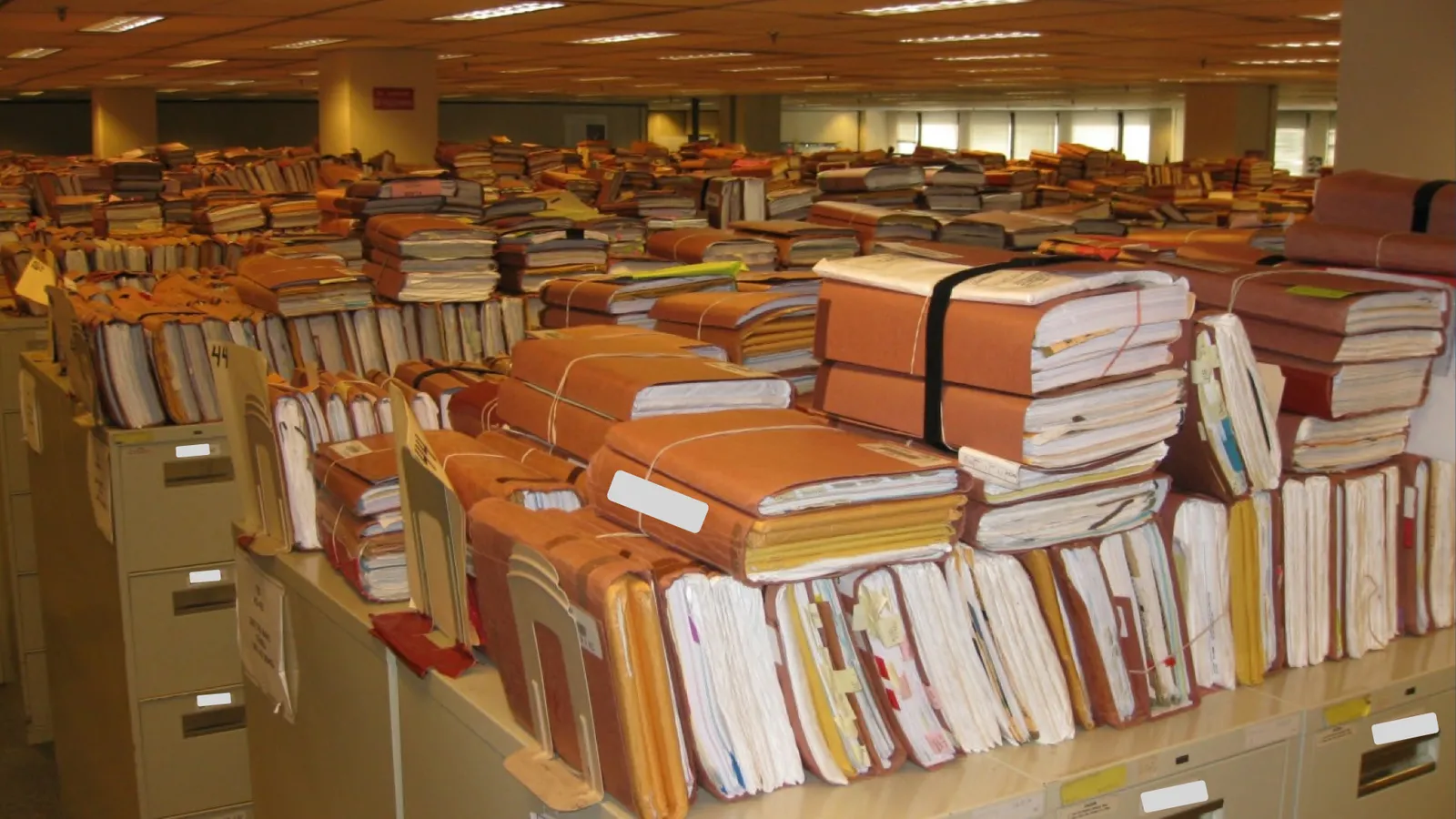
Building permits and operating licences for industrial projects in Malaysia could previously take up to three years. For investors, a wait that long delays the realisation of factories, production and job creation. The challenge was to speed up the process without sacrificing regulatory safeguards.
The Solution
According to the World Bank, both initiatives accelerate the processing of building permits and operating licences for industrial projects without changing existing regulations. The key elements mentioned in the release:
- Inter-agency coordination: the agencies involved work in alignment rather than separately.
- Digitalisation of processes: approval stages are supported by digital systems.
- Risk-based approach: oversight is adjusted to the level of risk, so regulatory safeguards are maintained.
Zahid Ismail, Director General of the Malaysia Productivity Corporation, stated that the E10 and KFL reforms show what can be achieved within existing regulations, and that the reforms reduce unnecessary regulatory burden and compliance costs.
Results
The results reported in the World Bank release:
- Processing time fell from up to three years to around 10–14 months.
- Cumulative investment in the Kulim industrial corridor rose from RM50 billion in 2020 to RM200 billion in June 2025.
- Kulai Fast Lane attracted around RM55 billion in new investment between 2021 and May 2025.
- Approved projects in Kulim are projected to create more than 10,000 jobs, while in Kulai about 5,000 jobs, many of them skilled positions.
Judith Green, World Bank Group Country Manager for Malaysia, said the Malaysian government's leadership demonstrates the scale of results that can be achieved through coordination, digital innovation and a focus on outcomes.
Lessons for organisations in Indonesia
Indonesia faces similar challenges in investment and industrial licensing, ranging from OSS and regional permits to the management of industrial estates. Some lessons that can be drawn from this case:
- Acceleration does not always have to wait for regulatory change. According to this study, process improvements within existing rules were enough to make a big difference. Regional governments and estate managers can start by mapping the permit flows currently in force.
- Cross-agency coordination is a prerequisite. Digitalisation will be less effective if the agencies involved are not yet aligned on sequence and responsibilities.
- Digitalisation supports, rather than replaces, process improvement. Licensing system integrators need to ensure the system reflects the streamlined flow.
- Risk-based inspection maintains the balance. This approach allows faster processes without loosening safeguards.
- Measure outcomes, not just processes. This case is assessed on permit duration, investment and jobs; similar indicators can be used to evaluate licensing reforms at the regional level.
It should be noted that the available source is a brief press release, so the technical details of implementation should be studied directly from the World Bank's full study document.
Sources & references
This article is a summary and interpretation by the Oemah Solution team of the sources below. Refer to the original sources for full details and context.