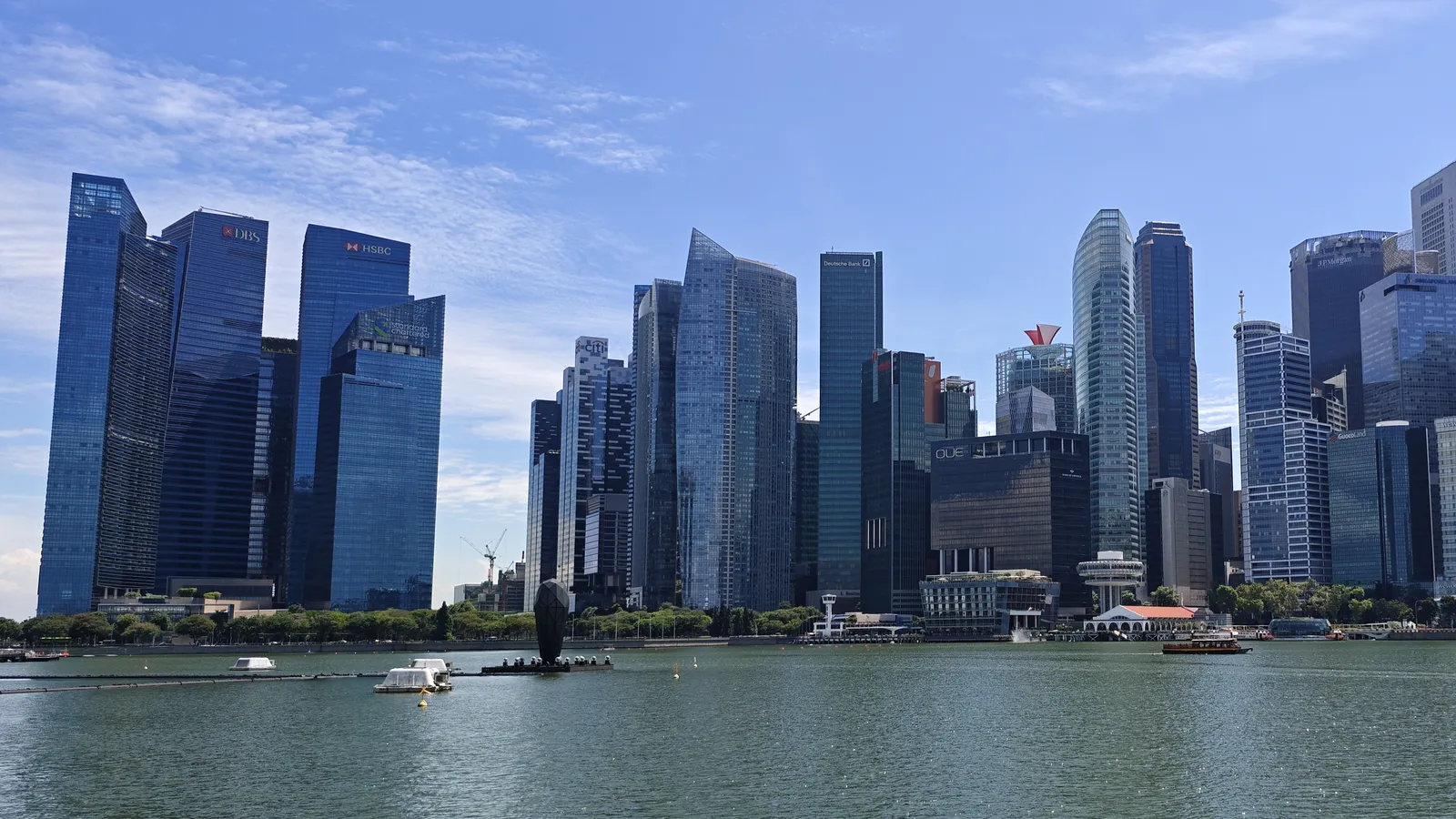

World Bank Case Study: Ho Chi Minh City, Da Nang and Hue Replace Paper Archives with Digital Platforms
The DT4PAG project, supported by the World Bank and SECO, helped three Vietnamese cities move from paper archives to digital platforms, with measurable early results.
This article was prepared with AI assistance from the official sources listed below, and checked automatically before publication.
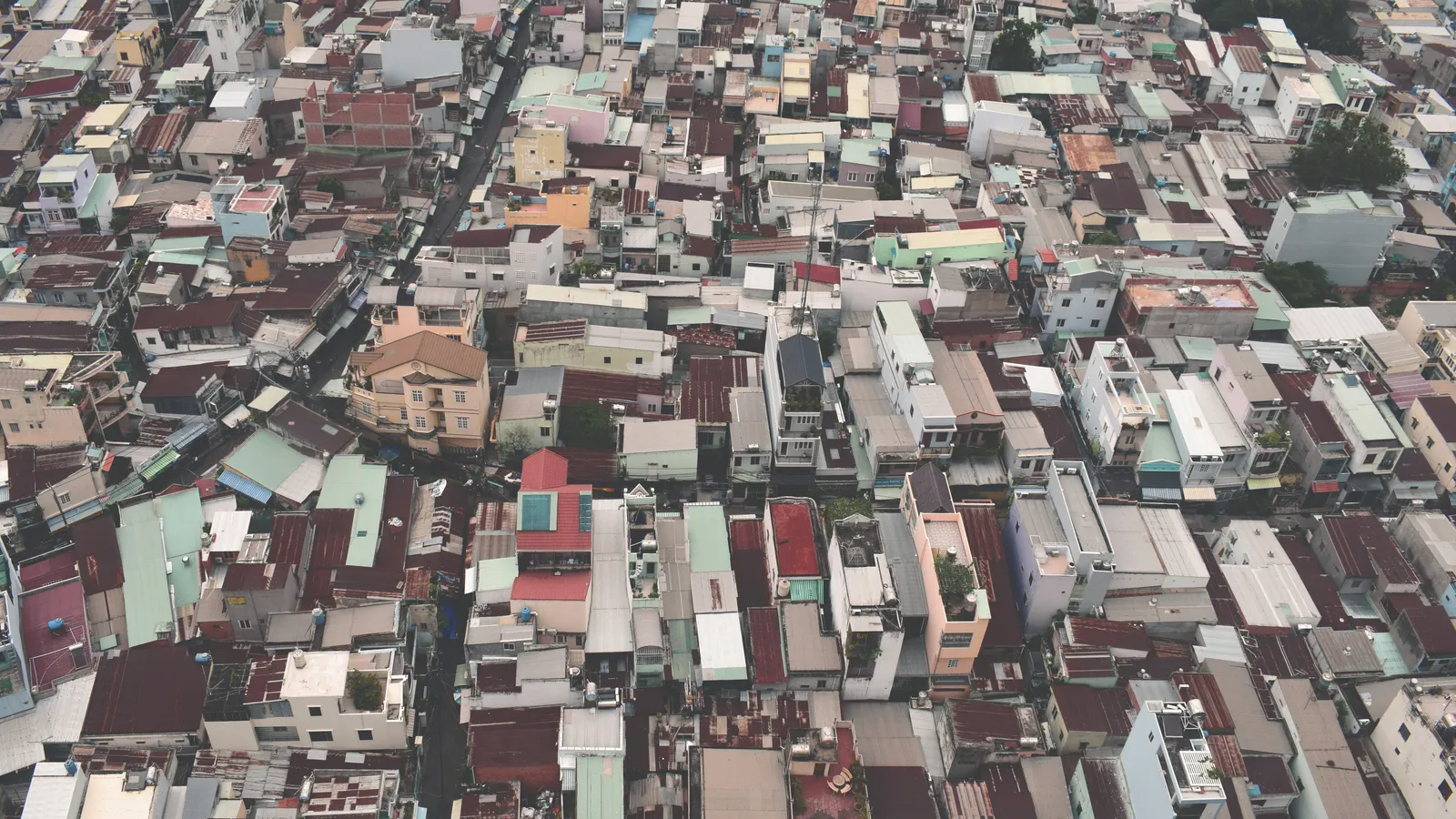
Major cities in Vietnam are growing rapidly. Yet many of their essential public services still depend on paper files, inconsistent data and workflows that are siloed between agencies. In a feature story published on 24 June 2026, the World Bank described how Ho Chi Minh City, Da Nang and Hue are tackling these problems through the Disruptive Technologies for Public Asset Governance (DT4PAG) project. This article reviews the case published by the World Bank. It is not an Oemah Solution project.
The challenge
According to the World Bank, cities in Vietnam face development pressure from several directions: climate risk, rapid urbanisation and rising citizen expectations. On the governance side, there are gaps that have yet to be closed:
- Paper archives and fragmented data slow down permit issuance and hold back investment.
- Seasonal flooding in Ho Chi Minh City demands fast and reliable information. This information underpins decisions on where to deploy staff and how to communicate warnings to residents.
- Public building data in Da Nang is incomplete and scattered across various departments. As a result, the city finds it difficult to plan maintenance, allocate budgets and detect inefficient use of assets.
- Urban planning in Hue has long been slow because of paper-based records, scattered information and manual review.
The solution
DT4PAG was launched in 2023. It is funded by a US$3 million grant from Switzerland's State Secretariat for Economic Affairs (SECO), channelled through the World Bank's Financial Management Umbrella Program. The main approach is to design digital solutions together with city governments, based on real operational needs.
- Ho Chi Minh City built the Flood Exposure Reporting and Decision-Support Platform (FEDS). Through this platform, field officers record water levels and their locations using mobile devices. The data flows straight into a shared dashboard that is updated in real time.
- Da Nang developed the Public Buildings Management System (PBMS) in 2026, a centralised geospatial system. It standardises data on the location, condition and use of more than 5,000 public buildings.
- Hue built a citywide digital planning platform. This GIS-based platform brings zoning maps, parcel data and workflows together in a single system.
The project also invests in people. Together with Fulbright University Viet Nam, DT4PAG developed the Digital Government Academy to build skills in digital leadership, data governance and user-centred design. The programme is complemented by study visits to Singapore, Malaysia, Switzerland and Austria, as well as dialogue between central and local government.
The results
The World Bank reports a number of measurable early results:
- Ho Chi Minh City: the time needed to prepare flood reports fell from two hours to 90 minutes, a reduction of 25%. Data accuracy and consistency have also improved. Two follow-on modules are still being developed. Once fully operational, they are expected to save residents up to VND 400 billion (about US$14 million) a year in travel time.
- Da Nang: one asset monitoring cycle that previously took 34 hours now takes just 11 hours, a reduction of 68%. The system also helps identify buildings that are underused or leased out improperly. Addressing just half of these cases is estimated to recover more than VND 1 trillion (about US$40 million) in public asset value each year.
- Hue: the city, home to more than 1.4 million people, now has a tool for decision-makers to analyse infrastructure needs and manage urban expansion.
- National impact: the experience of Hue and Ho Chi Minh City has fed into government decrees and circulars that establish the national construction database.
Deputy Director of the Da Nang Department of Finance, Phan Duy Anh, said the system will make it easier for his office to "manage and exploit assets, and to develop effective proposals for their use."
Lessons for organisations in Indonesia
Local governments in Indonesia face similar problems: paper archives, scattered regional asset data, slow building permits and urban flooding. Several lessons can be drawn from this case:
- Start with one concrete process. The three cities did not immediately build a giant system. Each chose one clear operational problem: flood reporting, public building data and planning maps.
- Measure the situation before and after. Figures such as 34 hours falling to 11 hours make the benefits of digitalisation easy to communicate. Numbers like these can also serve as a basis for budget planning.
- Link technology to asset value. The mapping of public buildings in Da Nang shows that well-organised asset data can unlock revenue potential, rather than merely fulfilling administrative obligations.
- Train people while building the system. Training in data governance and user-centred design is a foundation that, according to the World Bank, is just as important as the technology itself.
- Turn pilots into policy input. This pattern is in line with the Electronic-Based Government System (SPBE) agenda and the management of regional state property. Experience from the regions can feed into national regulation, as happened in Vietnam.
Sources & references
This article is a summary and interpretation by the Oemah Solution team of the sources below. Refer to the original sources for full details and context.