
Air Quality and Health: Understanding the WHO Guidelines on PM2.5
WHO tightened its air quality guidelines in 2021, including an annual PM2.5 limit of 5 µg/m³. Almost the entire world population lives in areas that exceed these guidelines.
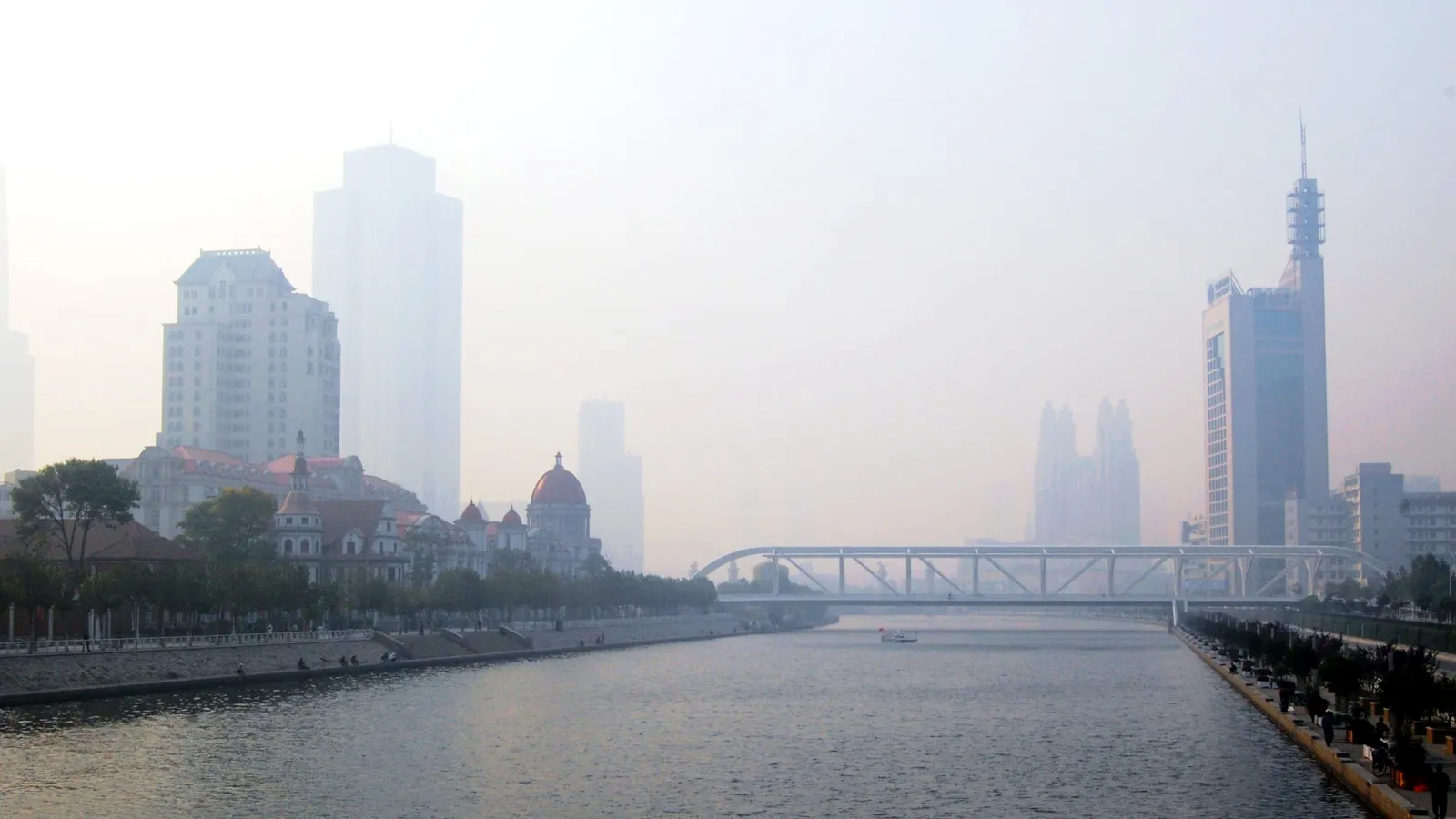
Air pollution is one of the biggest environmental risks to health. The World Health Organization (WHO) updated its Global Air Quality Guidelines in 2021 — the first update since 2005 — based on growing scientific evidence about the effects of pollution even at low concentrations.
What is PM2.5?
PM2.5 refers to fine particles with a diameter of 2.5 micrometres or less. They are small enough to penetrate deep into the lungs and even the bloodstream, and are linked to heart disease, stroke, lung cancer and chronic respiratory disease. Sources include fuel combustion in vehicles and industry, power plants, biomass burning, and forest and land fires.
The 2021 WHO guidelines
- Annual mean PM2.5: 5 µg/m³ (previously 10 µg/m³).
- 24-hour mean PM2.5: 15 µg/m³.
- The guidelines also cover PM10, ozone, nitrogen dioxide, sulphur dioxide and carbon monoxide.
According to WHO, 99% of the world's population lives in places where air quality does not meet these guidelines, and ambient air pollution is estimated to cause around 4.2 million premature deaths per year (2019 data).
Data is the first step
Dense air quality monitoring helps:
- Residents make daily decisions, such as reducing outdoor activity when pollution is high.
- Local governments identify major sources and evaluate policies.
- Researchers link exposure to health impacts.
Networks of low-cost IoT sensors, when calibrated against reference stations, can complement official monitoring stations and provide a more detailed picture per neighbourhood.
Reducing exposure
Long-term solutions include public transport and low-emission vehicles, clean energy, industrial emission controls, preventing forest and land fires, and expanding green space in cities.
Sources & references
This article is a summary and interpretation by the Oemah Solution team of the sources below. Refer to the original sources for full details and context.