
E-Waste Is Growing Five Times Faster Than Its Recycling
The Global E-waste Monitor 2024 recorded 62 million tonnes of e-waste in 2022, with only 22.3% documented as properly collected and recycled.
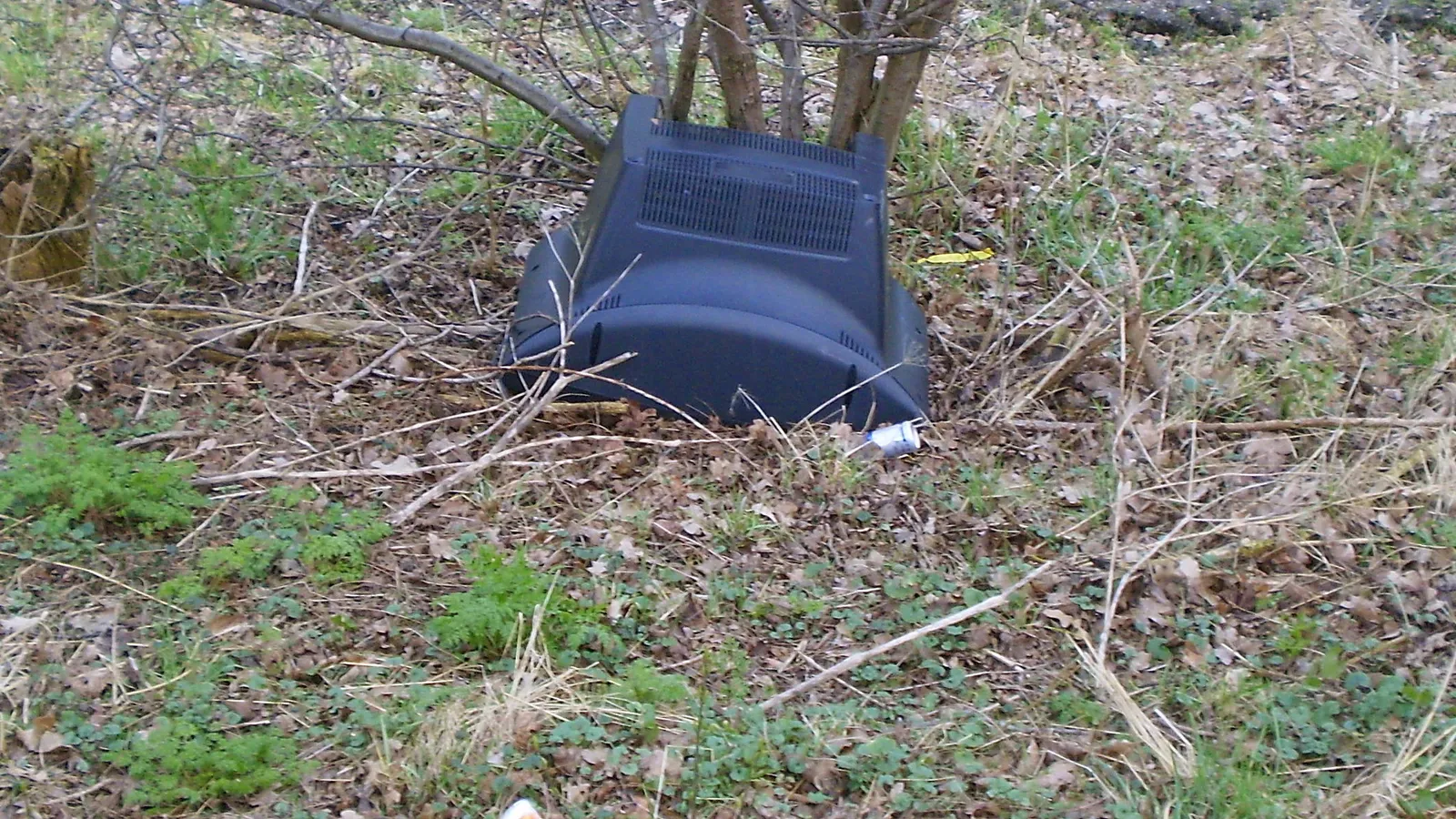
Phones, laptops, televisions and IoT devices all eventually become waste. The Global E-waste Monitor 2024, produced by the International Telecommunication Union (ITU) and UNITAR, provides the latest picture of electronic waste (e-waste) worldwide.
Key figures
- The world generated around 62 million tonnes of e-waste in 2022.
- Only 22.3% was documented as properly collected and recycled.
- E-waste is growing by about 2.6 million tonnes per year and is projected to reach 82 million tonnes by 2030.
- E-waste generation is rising about five times faster than documented recycling.
Why this is a big problem
Hazardous substances. Electronics contain substances such as lead and mercury that can contaminate soil and water and harm health when dismantled or burned unsafely.
Lost resources. E-waste also contains valuable metals — copper, gold and various rare earth elements. When they are not recycled, these materials are lost and the need for new mining increases.
Steps for organisations
- Extend device lifetimes through maintenance, component upgrades and internal reuse.
- Choose vendors with take-back programmes or official recycling schemes.
- Wipe data securely before handing devices over, in line with personal data protection principles.
- Use licensed recyclers capable of handling hazardous materials.
- Track IT asset inventory from purchase to disposal as part of IT governance.
More responsible design
For IoT solution developers, sustainability also means designing devices whose software can be updated over the long term, that are easy to repair, and that have a clear end-of-life plan.
Sources & references
This article is a summary and interpretation by the Oemah Solution team of the sources below. Refer to the original sources for full details and context.