
The Biodiversity Crisis: One Million Species Threatened with Extinction
The IPBES global assessment found that around one million animal and plant species are threatened with extinction. Learn the five direct drivers of biodiversity loss.
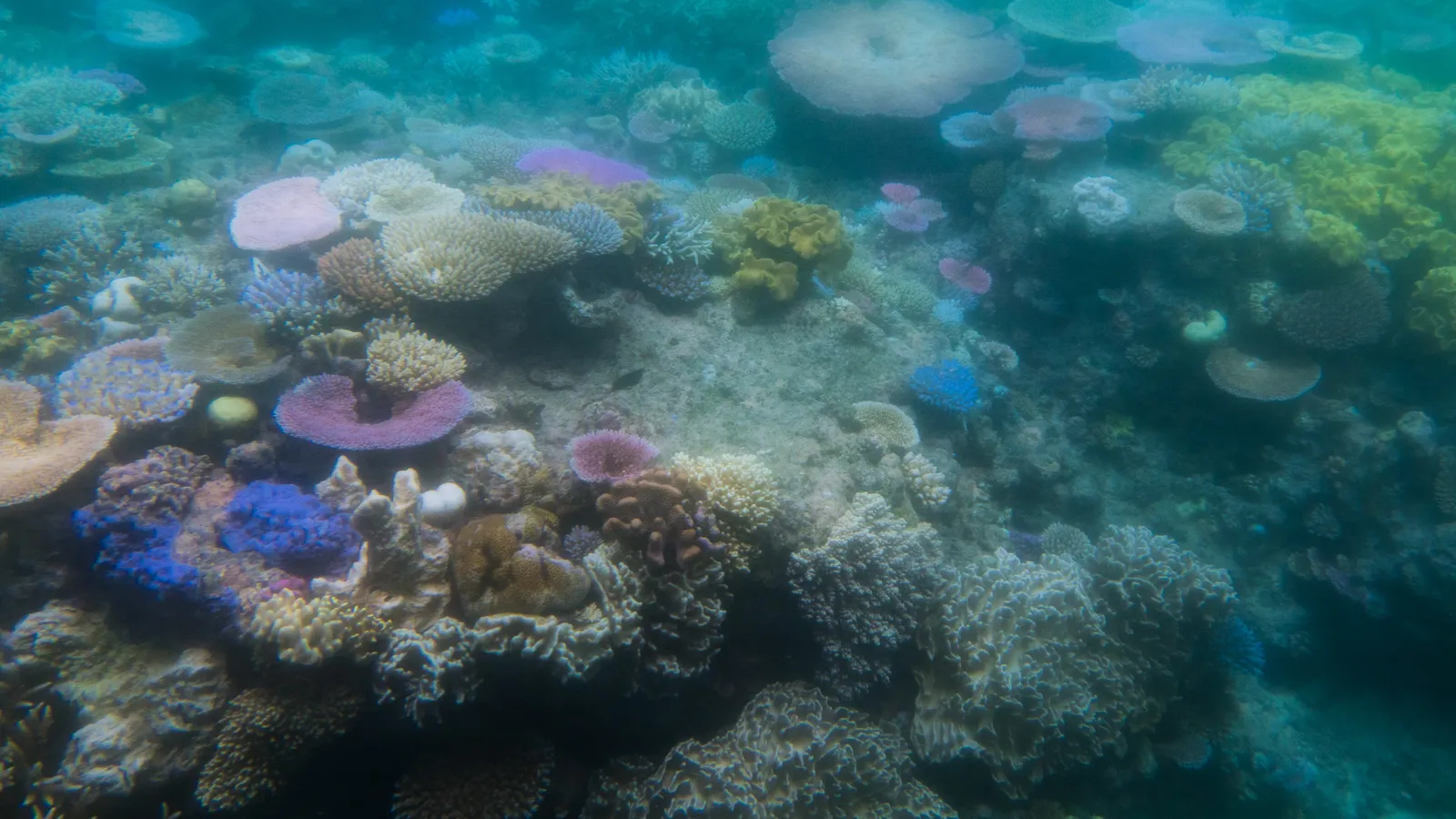
In 2019, the Intergovernmental Science-Policy Platform on Biodiversity and Ecosystem Services (IPBES) released its Global Assessment Report on Biodiversity and Ecosystem Services — the most comprehensive assessment of the state of nature ever compiled, involving hundreds of experts from dozens of countries.
Key findings
- Around 1 million animal and plant species are now threatened with extinction, many within decades.
- About 75% of the land-based environment and 66% of the marine environment have been significantly altered by human actions.
- The rate of global change in nature over the past 50 years is unprecedented in human history.
Five direct drivers
IPBES identified five direct drivers of biodiversity loss, ranked by their global impact:
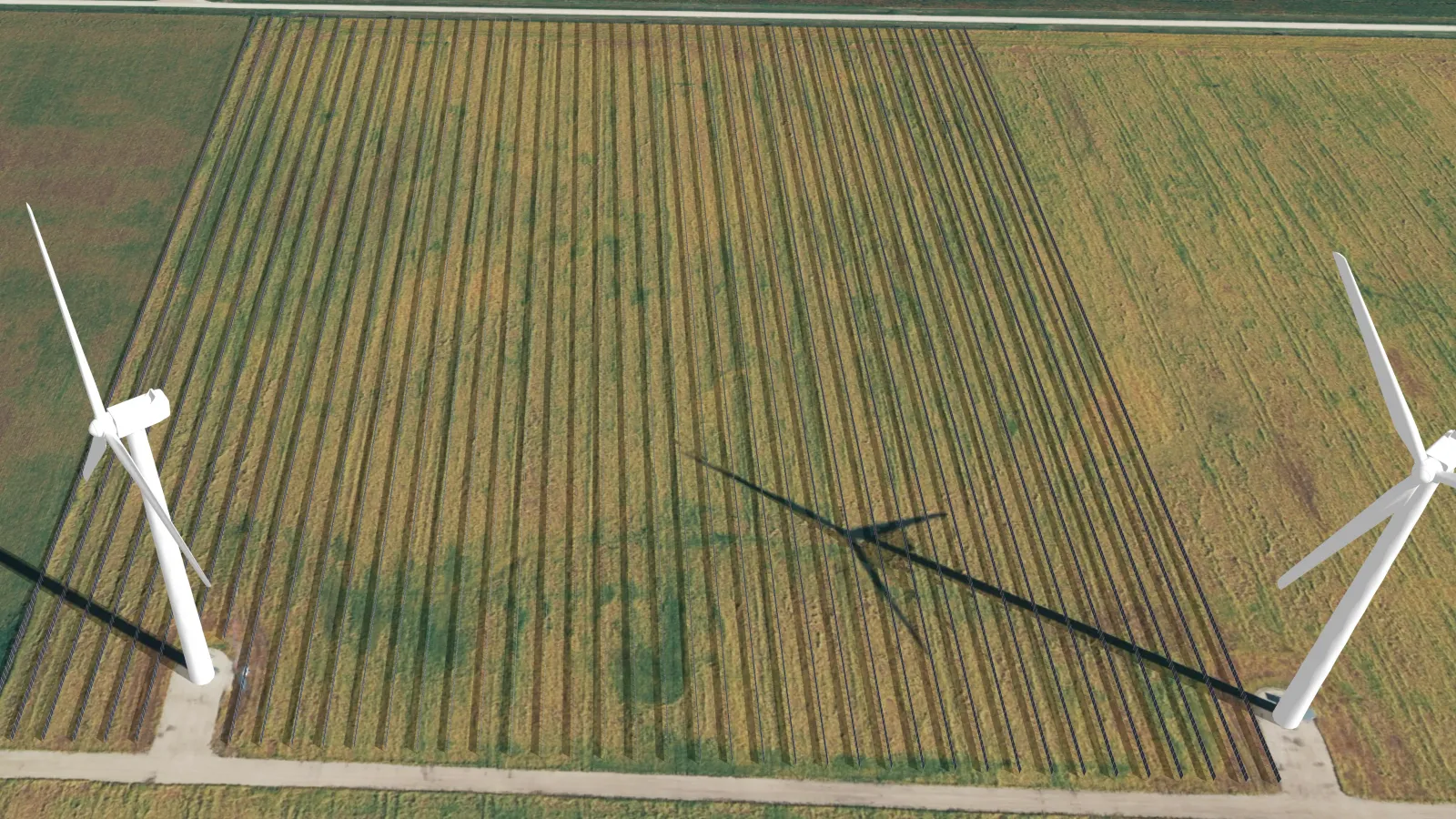
- Changes in land and sea use — for example clearing forests for agriculture.
- Direct exploitation of organisms — including overfishing and hunting.
- Climate change.
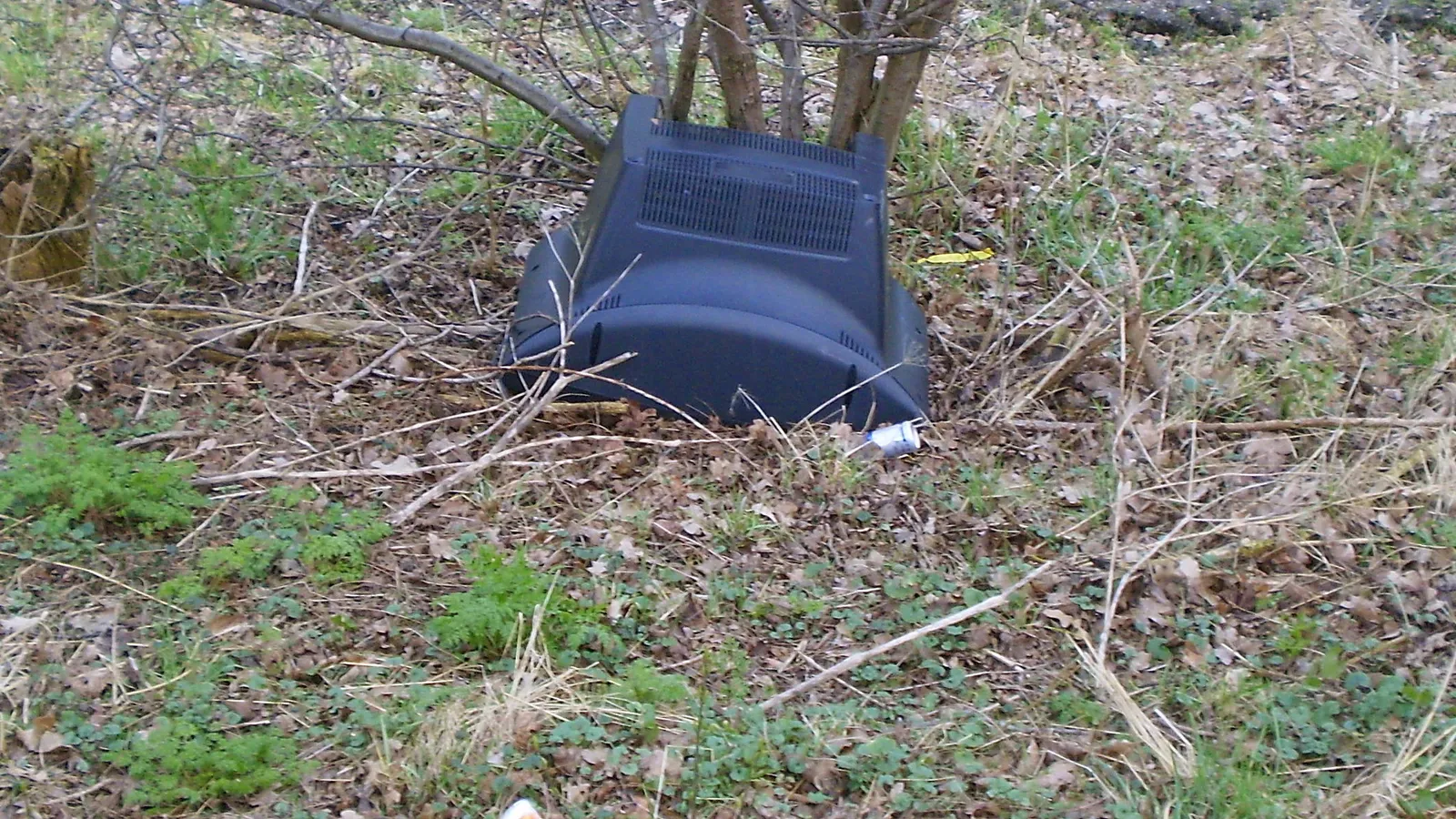
- Pollution.
- Invasive alien species.
Behind these five drivers lie indirect factors such as production and consumption patterns, population growth, trade and governance.
Why it matters to us
Biodiversity underpins crop pollination, clean water, soil fertility, coastal protection, medicines and the livelihoods of millions of people. Indonesia, as a megadiverse country, has both a great responsibility and a strong interest in protecting it.
Direction of change
IPBES stresses the need for transformative change — fundamental change across economic, social and technological factors. Concrete efforts include protecting and restoring habitats, sustainable agriculture and fisheries, recognising the role of Indigenous Peoples and local communities, and open, data-driven biodiversity monitoring.
Technologies such as satellite imagery, bioacoustic sensors and citizen-science reporting apps now extend our ability to monitor nature faster and more widely.
Sources & references
This article is a summary and interpretation by the Oemah Solution team of the sources below. Refer to the original sources for full details and context.