BMKG Urges Public and Local Governments to Stay Alert for Hydrometeorological Disasters in the November–December 2026 Rainy Season
BMKG calls on the public and local governments to step up preparedness for floods, landslides and strong winds as the rainy season begins across many parts of Indonesia.
This article was prepared with AI assistance from the official sources listed below, and checked automatically before publication.
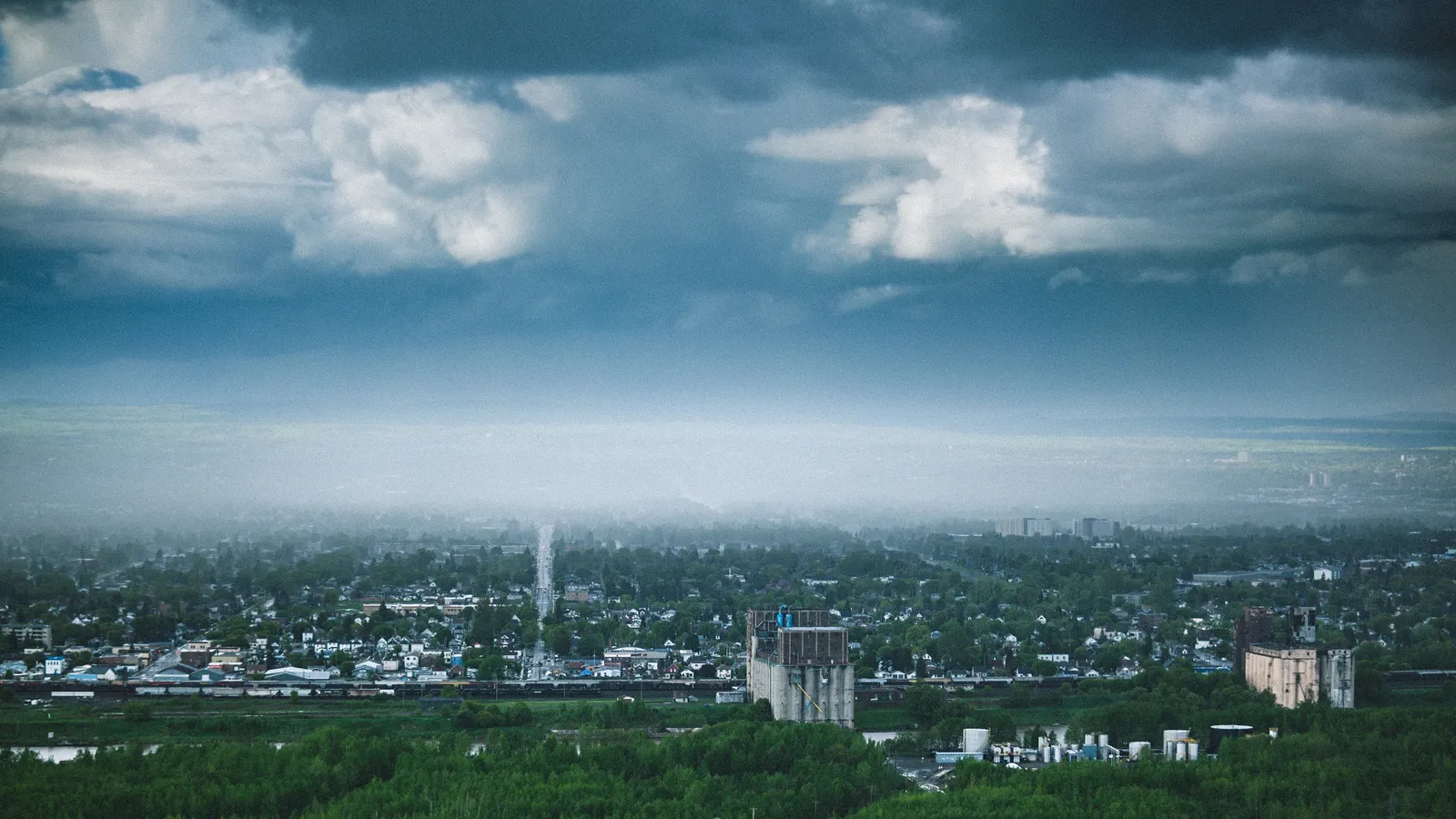
The Meteorology, Climatology, and Geophysics Agency (BMKG) has urged the public to step up preparedness for potential hydrometeorological disasters such as floods, flash floods, landslides and strong winds. The appeal was made in a press release dated Jakarta, 18 November 2026, as the rainy season begins across many parts of Indonesia.
Key points from the BMKG press release
According to BMKG, preparedness needs to start early and be sustained, because rainfall characteristics and their impacts can differ from one region to another. The Head of BMKG, Teuku Faisal Fathani, stressed that preparedness is not enough if it only begins once heavy rain has already occurred. It must be built on an understanding of the hazards and disaster risks in each community's own surroundings.
BMKG hopes the public will:
- know the conditions of the area where they live;
- know the evacuation routes;
- understand the steps to take when extreme weather occurs.
Faisal also said that the public does not need to panic, but should understand the risks and anticipate them from the outset. According to him, BMKG continues to provide weather information and early warnings as a basis for the public and local governments to decide on mitigation measures.
Atmospheric factors affecting the weather
BMKG's Acting Deputy for Meteorology, Andri Ramdhani, explained that the weather in November–December 2026 is influenced by atmospheric dynamics that vary between regions. The factors mentioned include:
- Madden-Julian Oscillation (MJO) activity;
- equatorial atmospheric waves;
- convergence patterns and the meeting of air masses;
- low-pressure systems and cyclonic circulation around Indonesian territory;
- a strengthening Asian Monsoon that is beginning to affect regional wind patterns.
BMKG said this combination of factors can support the growth of rain clouds. A strengthening Asian Monsoon also has the potential to increase the supply of moist air masses in several regions. Even so, BMKG emphasised that rainfall potential in Indonesia is not evenly distributed.
Why this matters for organisations in Indonesia
The message that risks differ from region to region means that preparedness plans cannot be uniform. Local governments, infrastructure operators and businesses need to assess risk exposure at their own locations, rather than relying only on the national picture.
Some practical steps to consider, in line with the spirit of BMKG's appeal:
- draw up or update contingency plans for floods, landslides and strong winds;
- make sure evacuation routes are known to residents, employees and facility users;
- use BMKG weather information and early warnings as a reference for operational decisions;
- prepare internal communication channels so that early warnings quickly reach those who need to act.
Opportunities for using data and technology
From an information technology perspective, the availability of BMKG weather information and early warnings opens up the possibility of integrating them into internal monitoring dashboards. Organisations can combine them with field sensor data, for example IoT devices that monitor conditions related to flood and landslide risk. This approach is an implementation idea and is not mentioned in the BMKG press release. The principle is that official data serves as the initial reference, while local data helps in understanding specific conditions on the ground.
To do this, organisations first need to determine who is responsible for monitoring warnings, the thresholds for action, and clear response procedures. Technology will be effective only if it is supported by procedures that everyone understands.
Closing note
BMKG's appeal positions preparedness as a sustained effort that starts with understanding local risk. As November–December 2026 begins, the public and local governments are encouraged to make use of the available weather information and early warnings to take appropriate mitigation measures.
Sources & references
This article is a summary and interpretation by the Oemah Solution team of the sources below. Refer to the original sources for full details and context.