
Energy and AI: How Much Electricity Do Data Centres Need?
The IEA projects global data centre electricity consumption will more than double by 2030, driven by AI. How can AI growth be balanced with climate goals?
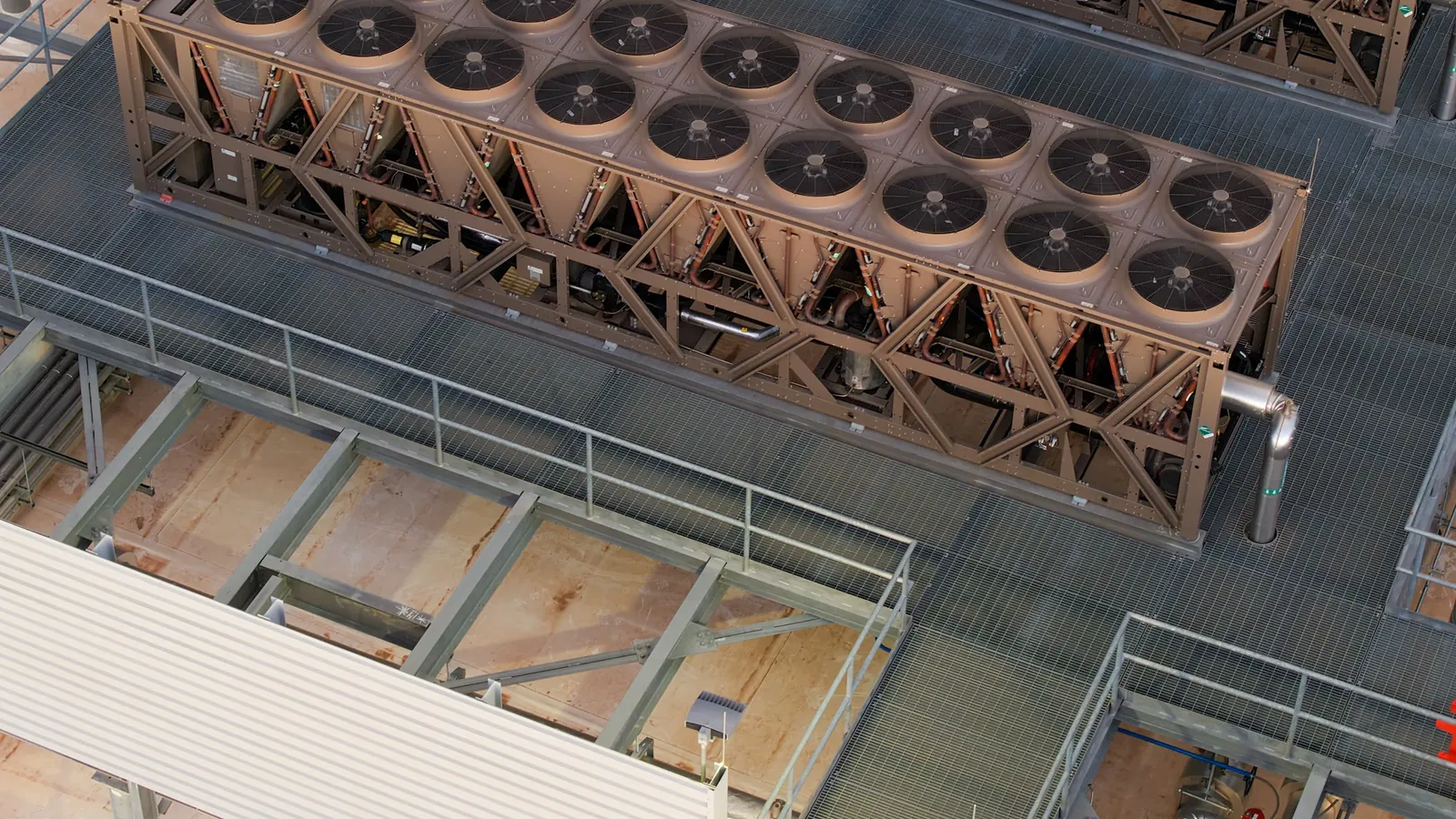
Modern AI models are trained and run in data centres filled with thousands of accelerators that require large amounts of electricity and cooling. The International Energy Agency's special report "Energy and AI", released in April 2025, examines the relationship between AI growth and energy systems.
Key figures
- Data centres consumed an estimated 415 TWh of electricity in 2024, about 1.5% of global electricity consumption.
- In the IEA's base case, this consumption is projected to more than double to around 945 TWh by 2030.
- AI is the most important driver of that growth, especially through accelerated servers (GPUs and similar).
- Growth is concentrated in certain countries and regions, so local impacts on electricity grids can be very significant.
Two sides of AI and energy
AI as an energy consumer. Rising electricity demand from data centres requires new generation and transmission capacity, and raises questions about where that energy comes from.
AI as an energy-efficiency tool. The IEA also highlights AI's potential to optimise energy systems: forecasting renewable output, detecting leaks and faults, predictive maintenance of power plants, and load management in buildings and industry.
More energy-efficient AI practices
- Choose a model that fits the task — smaller or quantised models are often sufficient for specific tasks.
- Use caching and RAG to reduce repeated calls to large models.
- Measure compute consumption and cost per request as product metrics.
- Choose infrastructure locations and providers with high energy efficiency (low PUE) and a clean energy mix.
- Schedule non-urgent workloads such as training or batch processing for times when clean energy is abundant.
AI growth and climate goals do not have to conflict — as long as efficiency and clean energy are part of the design from the start.
Sources & references
This article is a summary and interpretation by the Oemah Solution team of the sources below. Refer to the original sources for full details and context.