Google Play to Require Tier 3 Adaptive App Quality and Foldable Screenshots from April 2027
From April 2027, Google Play will require apps to meet the Tier 3 adaptive standard and show foldable device screenshots. Here is what it means for organisations in Indonesia.
This article was prepared with AI assistance from the official sources listed below, and checked automatically before publication.
Google announced on the Android Developers Blog on 18 November 2026 that Google Play will introduce a new adaptive app quality standard. The rule takes effect in April 2027. Apps that do not comply may lose the ability to be published or updated on Google Play. For organisations that manage Android apps, this announcement signals that large-screen support is no longer a mere extra.
What is required
According to the Android Developers Blog, there are two main requirements:
- Apps must meet the baseline adaptive app quality guidelines, namely Tier 3.
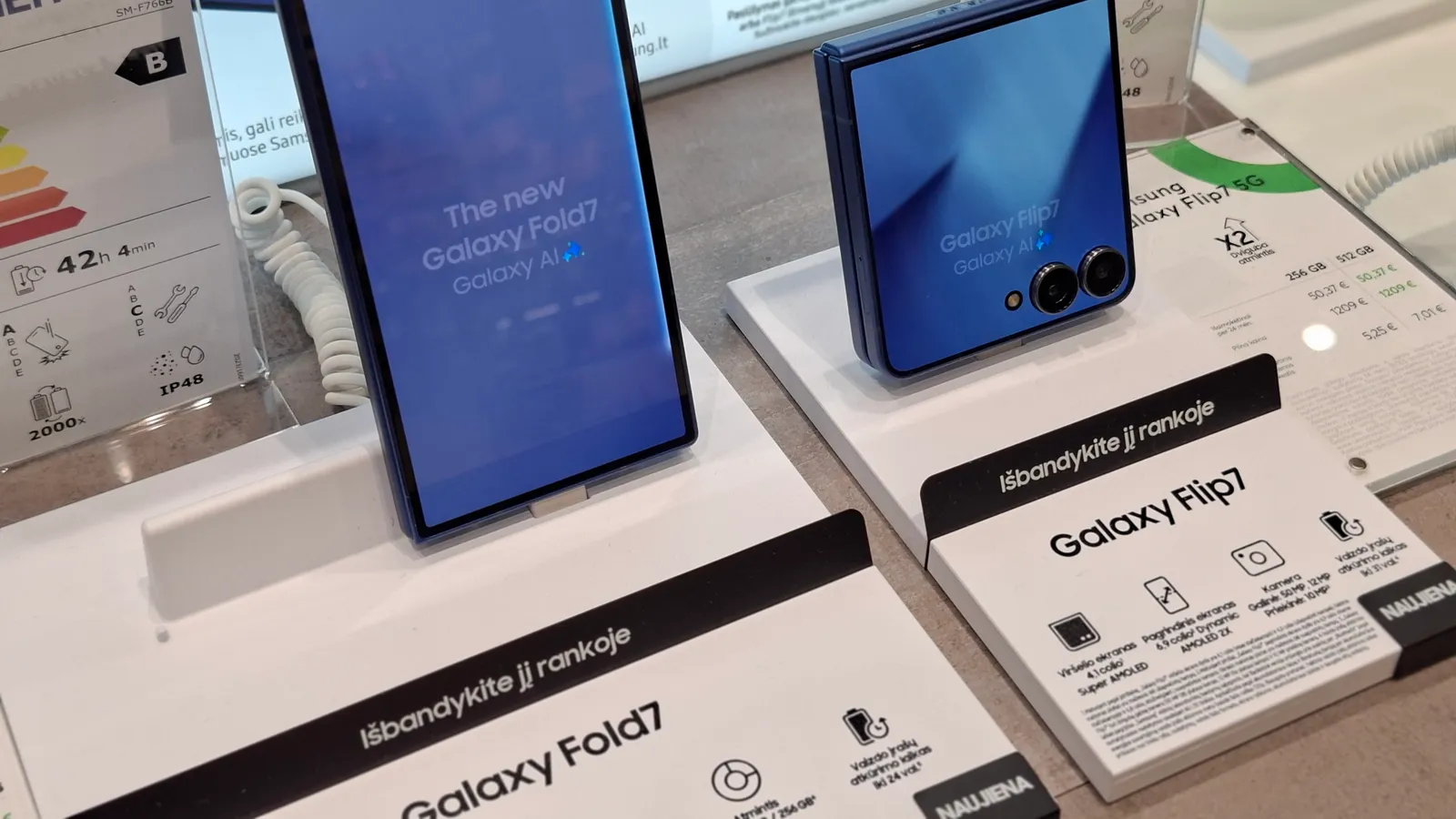
- Developers must show foldable device screenshots on the app's page in the Google Play Store.
Tier 3 is described as the "Adaptive ready" level. At this level, apps must fill the entire available screen area without letterboxing and without running in compatibility mode. Apps that have not reached Tier 3 will not be able to be published or updated on Google Play, and their visibility in the store may also be reduced.
Google states that there are more than 580 million large-screen devices in users' hands today. The company also explained that the Play quality framework will be expanded gradually to Tier 2 and Tier 1 standards for foldables, tablets, Googlebook and Android XR. Game developers have separate large-screen quality requirements of their own.
Why this matters
Until now, many apps have continued to run on large screens with a display that works "well enough", for example with black bars at the sides of the screen or in compatibility mode. The new rule turns this from a user experience problem into a distribution requirement. The consequences are real: if updates are blocked, security fixes, regulatory adjustments and business feature releases are held up as well.
The direction of the policy is also clear. Because the standard will rise to Tier 2 and Tier 1, meeting Tier 3 should be seen as a starting point, not the final goal.
Implications for organisations in Indonesia
Government agencies, banks, retail companies and other businesses that release Android apps need to check how their apps behave on foldable and large screens. Older apps with rigid layouts, locked orientation or reliance on compatibility mode are most at risk. Apps managed by vendors or third parties also remain the responsibility of the app owner, so vendor readiness needs to be confirmed.
Note that the detailed provisions on testing criteria and the review process should be read directly in Google's official documentation before the deadline.
Practical steps
- Audit existing apps. Run the app on emulators or on foldable devices and tablets, then note the screens that suffer letterboxing or fall into compatibility mode.
- Prioritise critical flows. Start with login, transactions and the main services that are used most.
- Migrate to adaptive layouts. Consider Jetpack Compose and the adaptive UI approach that Android recommends for different device form factors.
- Budget for testing and store assets. Allow time for testing on large-screen devices and for creating foldable screenshots for the Google Play listing.
- Fold it into the release cycle. Schedule fixes in the next release cycle so they do not pile up as April 2027 approaches.
Conclusion
The April 2027 deadline gives enough time to teams that start early. Organisations that delay risk facing blocked updates and reduced visibility on Google Play. Auditing now is the cheapest way to avoid both.
Sources & references
This article is a summary and interpretation by the Oemah Solution team of the sources below. Refer to the original sources for full details and context.