WebKit Previews Spatial CSS in Safari on visionOS 27.3, Centred on the 3D <model> Element
WebKit has released a limited preview of spatial CSS in Safari on visionOS 27.3 for composing 3D objects with the <model> element. Here are the key features and what they mean for web developers in Indonesia.
This article was prepared with AI assistance from the official sources listed below, and checked automatically before publication.
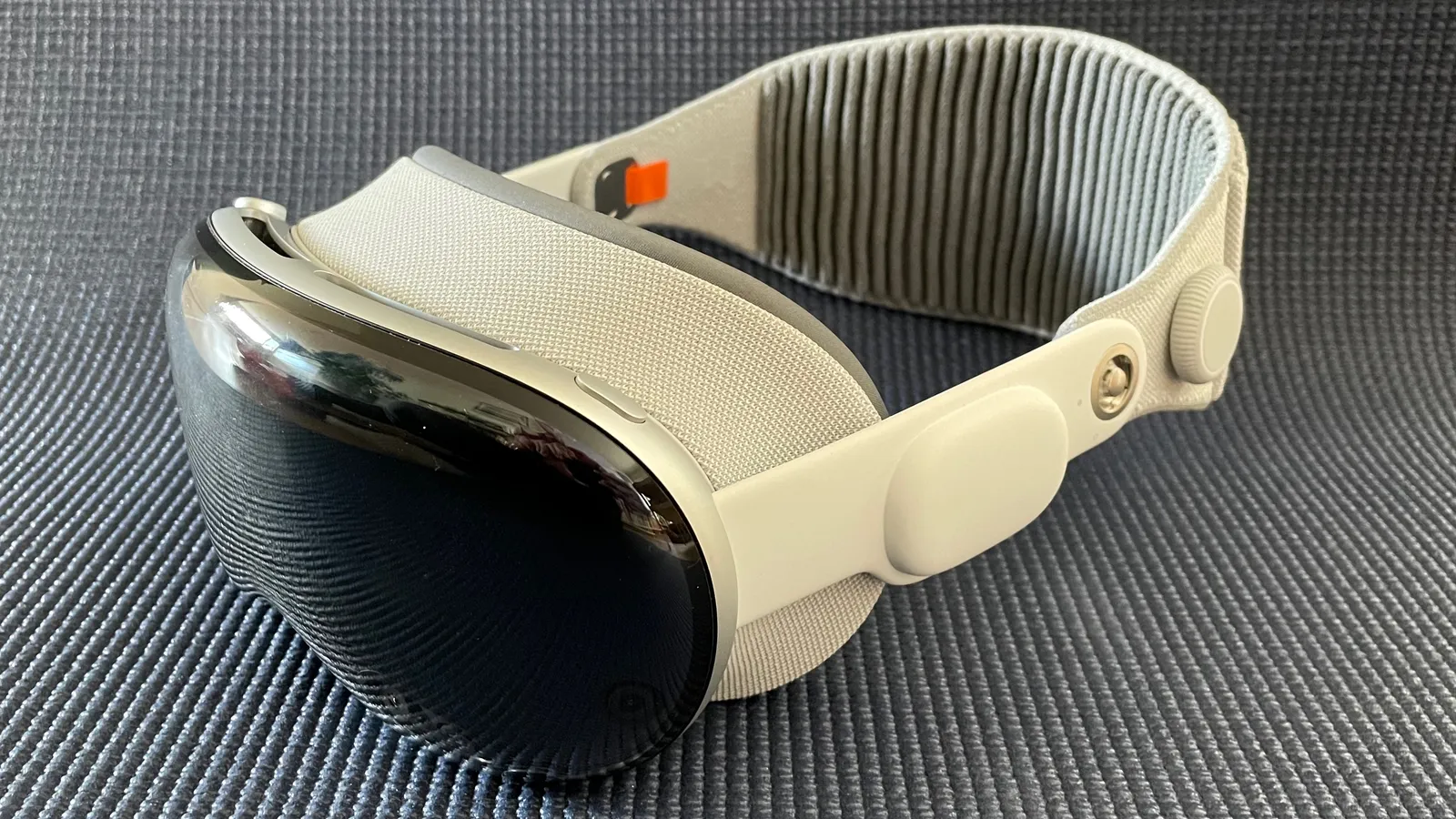
WebKit announced on 16 November 2026 that Safari on visionOS 27.3 includes a limited feature preview of the proposed spatial CSS APIs. The initial focus is on composing and arranging 3D objects through the <model> element. According to WebKit, the <model> element is now also available in Safari 27 on all platforms.
What was announced
According to WebKit, spatial CSS consists of many small adjustments to existing syntax, even though conceptually it is a big leap. The preview includes:
spatial: portalto gather several elements into one shared space;transformto move several models independently;position-anchorto bring models together, for example placing one object exactly at a given point on another object;@environment-mapto manage and reuse lighting, with support for 360º HDR images;portal-action:orbitso users can rotate the scene to view it from different sides;requestVolumetricScene()to launch a connected volumetric scene outside the browser window.
To try it on Vision Pro or the visionOS Simulator, enable it via Settings > Apps > Safari > Advanced > Feature flags > CSS Portals.
The approach: declarative CSS, not just JavaScript
WebKit stresses that the web excels when content can be composed and configured according to the author's intent and the user's context, such as display capabilities, window size and colour theme. Because spatial functionality is delivered through declarative CSS, pages can use media queries for aspect ratio, colour theme and reduced motion to adapt spatial content. This can reduce the amount of JavaScript code and complex state management needed.
Numeric parameters can also be animated and transitioned like other CSS values. WebKit also states that spatial content should not be designed only for spatial devices, since 3D content on the web is now widely displayed on phones, tablets and computers.
Implications for organisations in Indonesia
Retailers, property developers, manufacturers and education providers can use the <model> element for product viewers or virtual tours on the open web without a native app. Because this element is available in Safari 27 on all platforms, its reach is not limited to headsets.
However, spatial CSS is still a proposal and is only a limited preview on visionOS that must be enabled through a feature flag. For that reason, it is better suited to prototypes than to production.
Practical steps
- Try it on Vision Pro or the simulator to assess the feasibility of your use case.
- Apply progressive enhancement: the basic experience must work without spatial CSS.
- Provide a 2D fallback for browsers and devices that do not yet support it.
- Prepare 3D assets with clear reference points. In WebKit's example, the puzzle board was created together with a reference object for block positions so it could be used as an anchor.
- Monitor the development of the specification and standards decisions before making it part of a production system.
Sources & references
This article is a summary and interpretation by the Oemah Solution team of the sources below. Refer to the original sources for full details and context.