
The IPCC AR6 Report: Key Climate Change Findings You Should Know
The IPCC AR6 Synthesis Report concludes that global warming is caused by human activity and that the window to limit it to 1.5°C is narrowing. Here are the key points.

The Intergovernmental Panel on Climate Change (IPCC) is the UN body that assesses the science related to climate change. Its sixth assessment cycle (AR6) closed with a Synthesis Report released in March 2023, summarising thousands of scientific studies.
Key findings
- The cause is clear. Human activities, principally through greenhouse gas emissions, have unequivocally caused global warming.
- Temperatures have already risen by about 1.1°C. Global surface temperature in 2011–2020 was around 1.1°C above the 1850–1900 period.
- Impacts are already widespread. Weather extremes, disruptions to food and water security, and ecosystem losses are increasing, and those who have contributed least to emissions are often the most vulnerable.
- Every increment of warming increases risk. Risks and adverse impacts grow with every additional increment of warming.
How fast must emissions fall?
In pathways that limit warming to around 1.5°C (with no or limited overshoot), global greenhouse gas emissions need to fall by about 43% by 2030 and 60% by 2035 compared with 2019 levels, then reach net-zero CO₂ around the early 2050s. The IPCC stresses that choices and actions this decade will have impacts for thousands of years.
Solutions are available
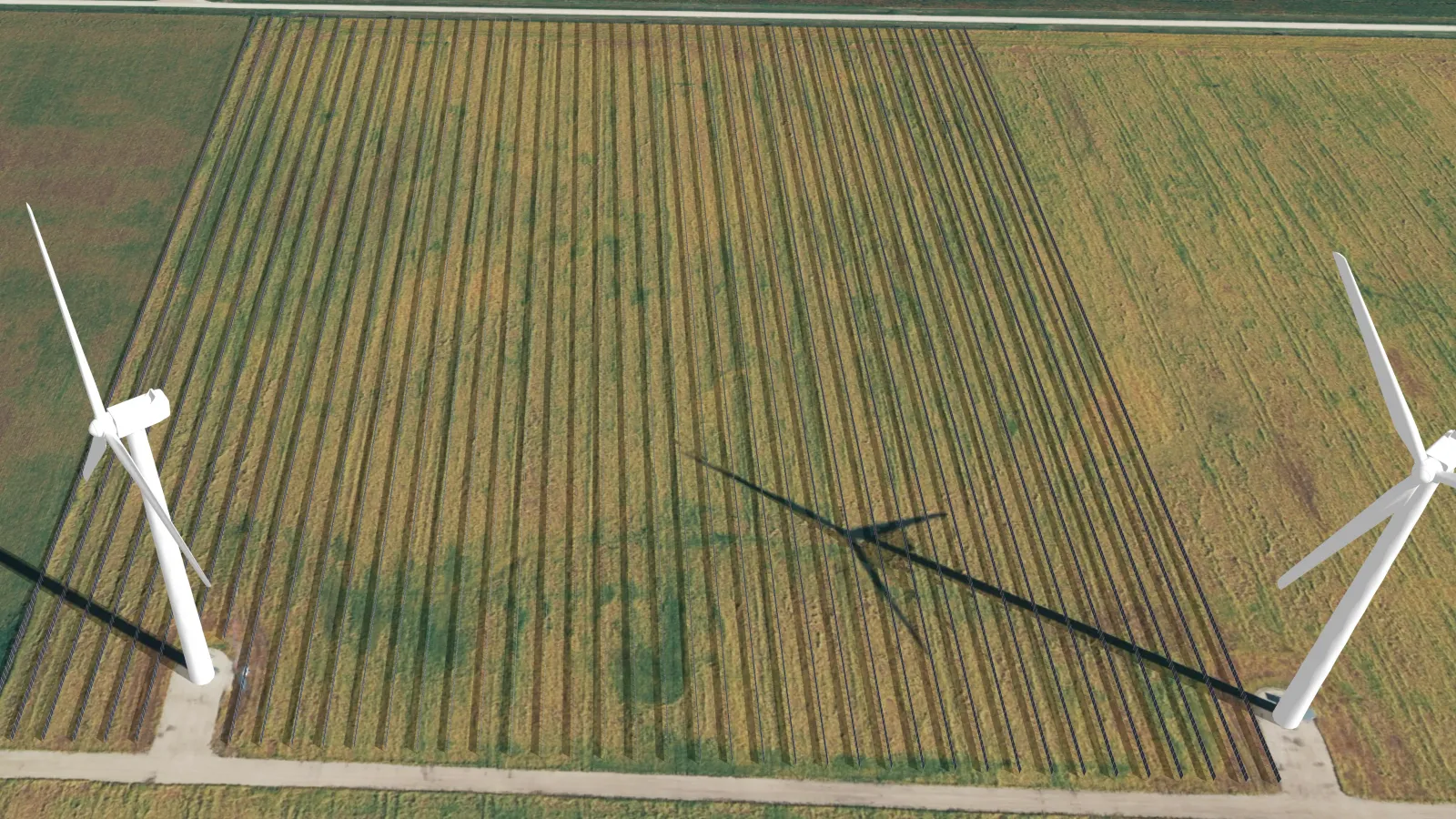
The report also confirms that many mitigation and adaptation options are already available and increasingly affordable, such as solar and wind power, energy efficiency, electrification, protecting and restoring forests and coastal ecosystems, and reducing food waste.
The role of technology
Accurate data is the foundation of good climate policy: emissions monitoring, location-based reporting of planting and restoration, early-warning systems for extreme weather, and building energy optimisation. Digital transformation can accelerate climate action when it is designed for transparency and accountability.
The IPCC Summary for Policymakers is a good starting point for reading these findings directly.
Sources & references
This article is a summary and interpretation by the Oemah Solution team of the sources below. Refer to the original sources for full details and context.