
The Plastic Crisis: Only 9% of the World’s Plastic Waste Is Recycled
The OECD Global Plastics Outlook shows plastic production and waste keep growing while recycling rates remain very low. What are the solutions across the plastic life cycle?
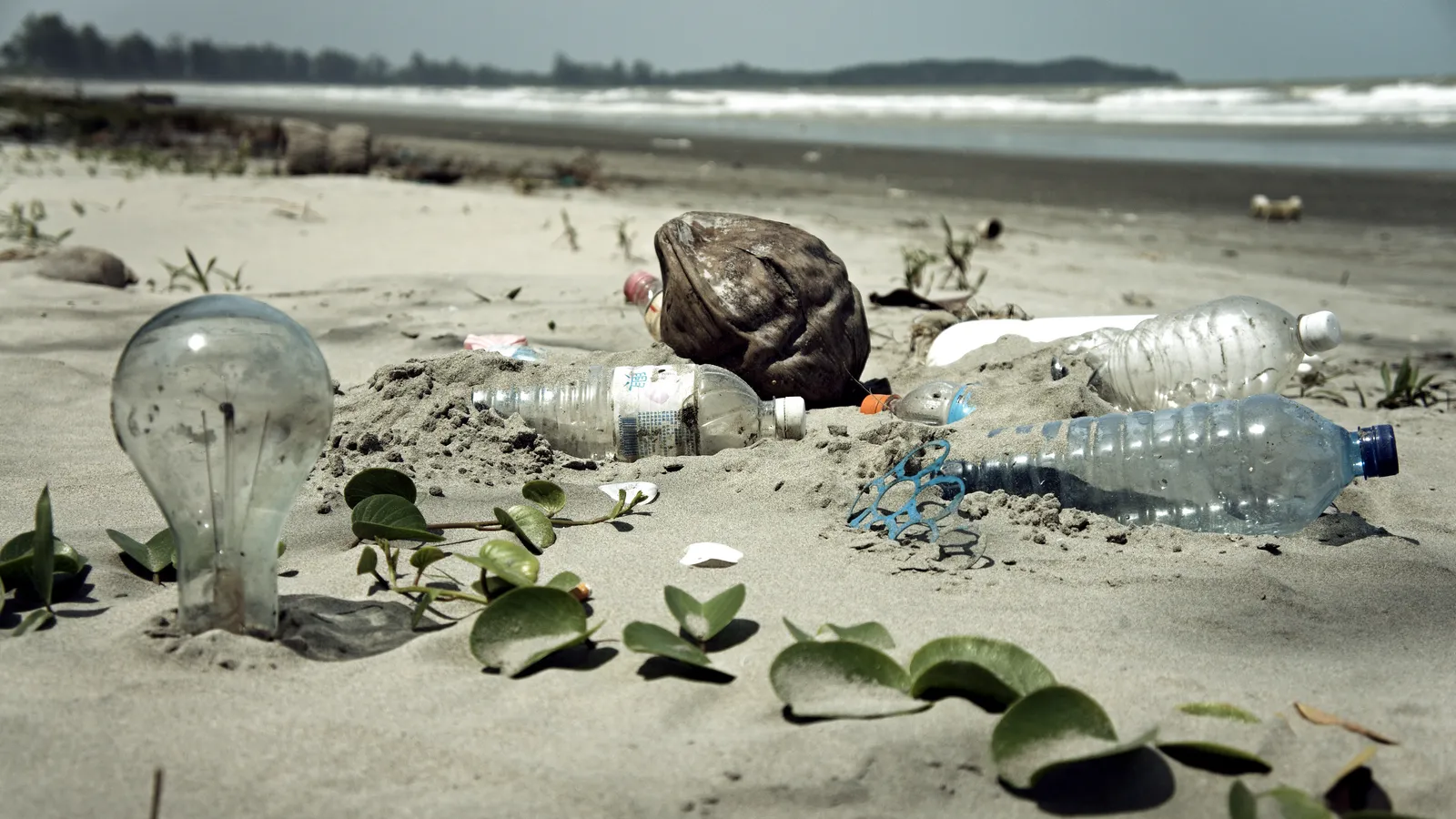
Plastic makes many things practical and cheap, but waste management has fallen far behind. The OECD's Global Plastics Outlook (2022) provides a comprehensive picture of the plastic life cycle worldwide.
Key findings
- Global plastic waste more than doubled between 2000 and 2019, reaching around 353 million tonnes.
- Only about 9% of plastic waste is ultimately recycled.
- About 19% is incinerated, almost 50% ends up in managed landfills, and around 22% is mismanaged — dumped in the open, burned in the open, or leaked into the environment.
- Most plastic waste comes from short-lived products such as packaging.
Why recycling alone is not enough
Many types of plastic are hard to recycle economically because of mixed materials, contamination and cheap virgin plastic. The OECD stresses the need for policies across the whole life cycle: reducing unnecessary plastic production and consumption, designing products for reuse and recycling, and strengthening collection and waste management systems.
Practical steps
- Reduce single-use packaging and switch to refill systems where possible.
- Design for recycling: use mono-materials and avoid dyes or coatings that hinder processing.
- Strengthen separation at source in households, offices and commercial areas.
- Extended producer responsibility (EPR) so producers share the cost of managing their products' waste.
- Data and tracking: digital systems for waste banks and recycling chains improve transparency and the economic value of materials.
Tackling plastic pollution requires cooperation between government, industry and the public. Every reduction upstream is far more effective than cleaning up downstream.
Sources & references
This article is a summary and interpretation by the Oemah Solution team of the sources below. Refer to the original sources for full details and context.