
SBOMs and Software Supply Chain Security
Modern applications are built from hundreds of open-source components. A Software Bill of Materials (SBOM) and the SLSA framework help you know exactly what is inside your software.
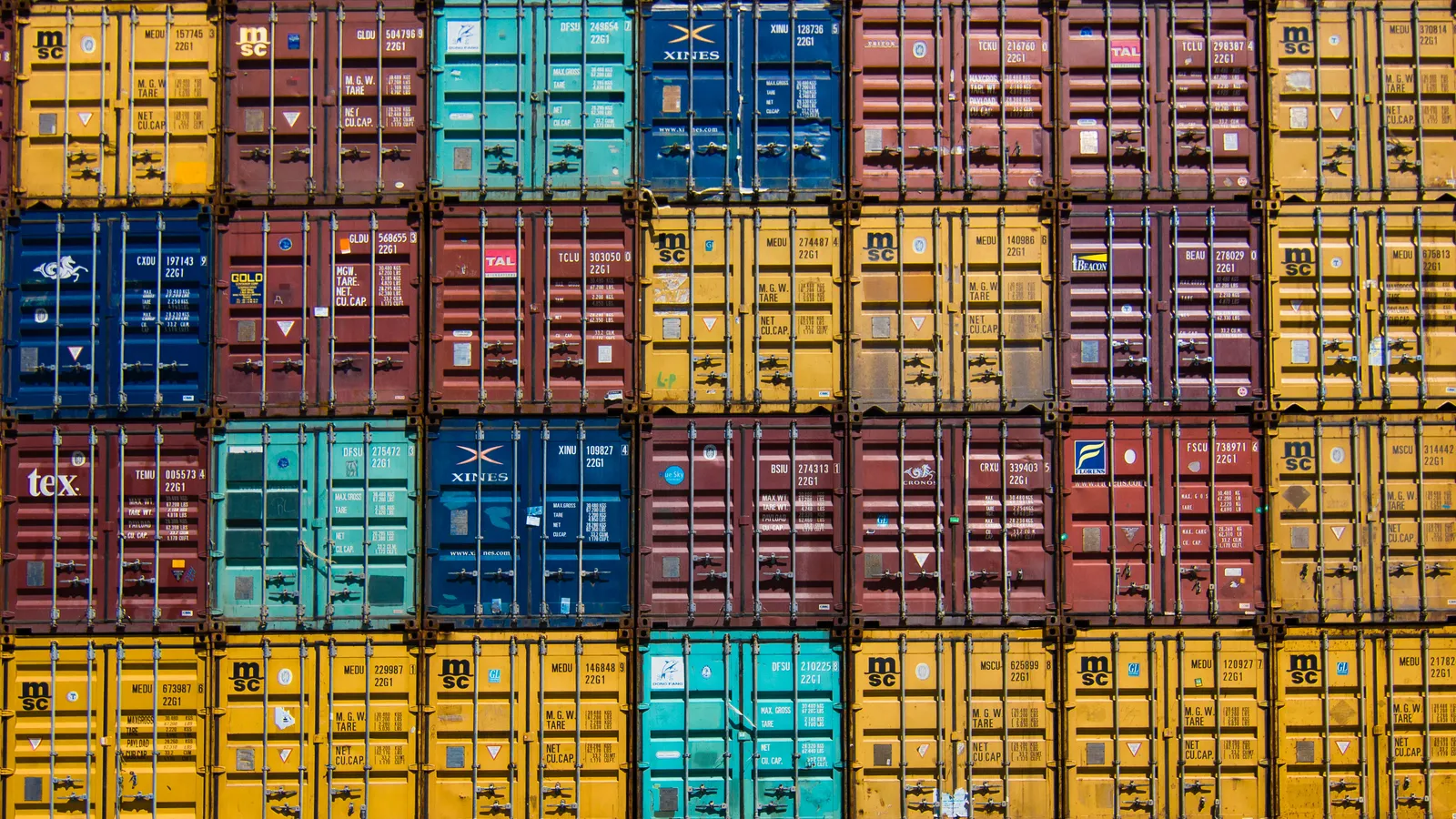
Almost every modern application depends on open-source libraries and third-party components. When a critical vulnerability such as Log4Shell (CVE-2021-44228) in the Log4j library was disclosed at the end of 2021, many organisations struggled to answer a simple question: "Does our system use that component?"
What is an SBOM?
CISA defines a Software Bill of Materials (SBOM) as a nested inventory — an "ingredients list" — of the components that make up a piece of software, along with their versions. The two most widely used formats are:
- SPDX — maintained by the Linux Foundation and an international standard as ISO/IEC 5962:2021.
- CycloneDX — developed by the OWASP community, with a focus on security use cases.
With an SBOM, security teams can immediately match the component list against vulnerability databases as soon as a new CVE is announced.
Build integrity with SLSA
An SBOM answers what is in the software. The SLSA framework (Supply-chain Levels for Software Artifacts) answers how artifacts are built: whether the process is traceable, runs in a controlled build environment, and produces verifiable provenance. SLSA is organised in levels so organisations can improve step by step.
Practices you can adopt
- Generate SBOMs automatically in your CI pipeline for every release.
- Scan dependencies regularly and set fix SLAs based on severity.
- Pin dependency versions (lockfiles) and review every update.
- Sign build artifacts and verify them before deployment.
- Ask vendors for SBOMs when buying software, especially for critical systems.
A software supply chain is only as strong as its weakest component. Transparency through SBOMs is the first step to managing it.
Sources & references
This article is a summary and interpretation by the Oemah Solution team of the sources below. Refer to the original sources for full details and context.