
Renewable Energy Is Growing Fast: Reading the IEA Renewables Report
Global renewable capacity additions hit a new record, dominated by solar power. What does it mean for the goal of tripling renewable capacity by 2030?
The International Energy Agency (IEA) publishes an annual Renewables report that tracks the development and outlook of renewable energy worldwide.
Record growth
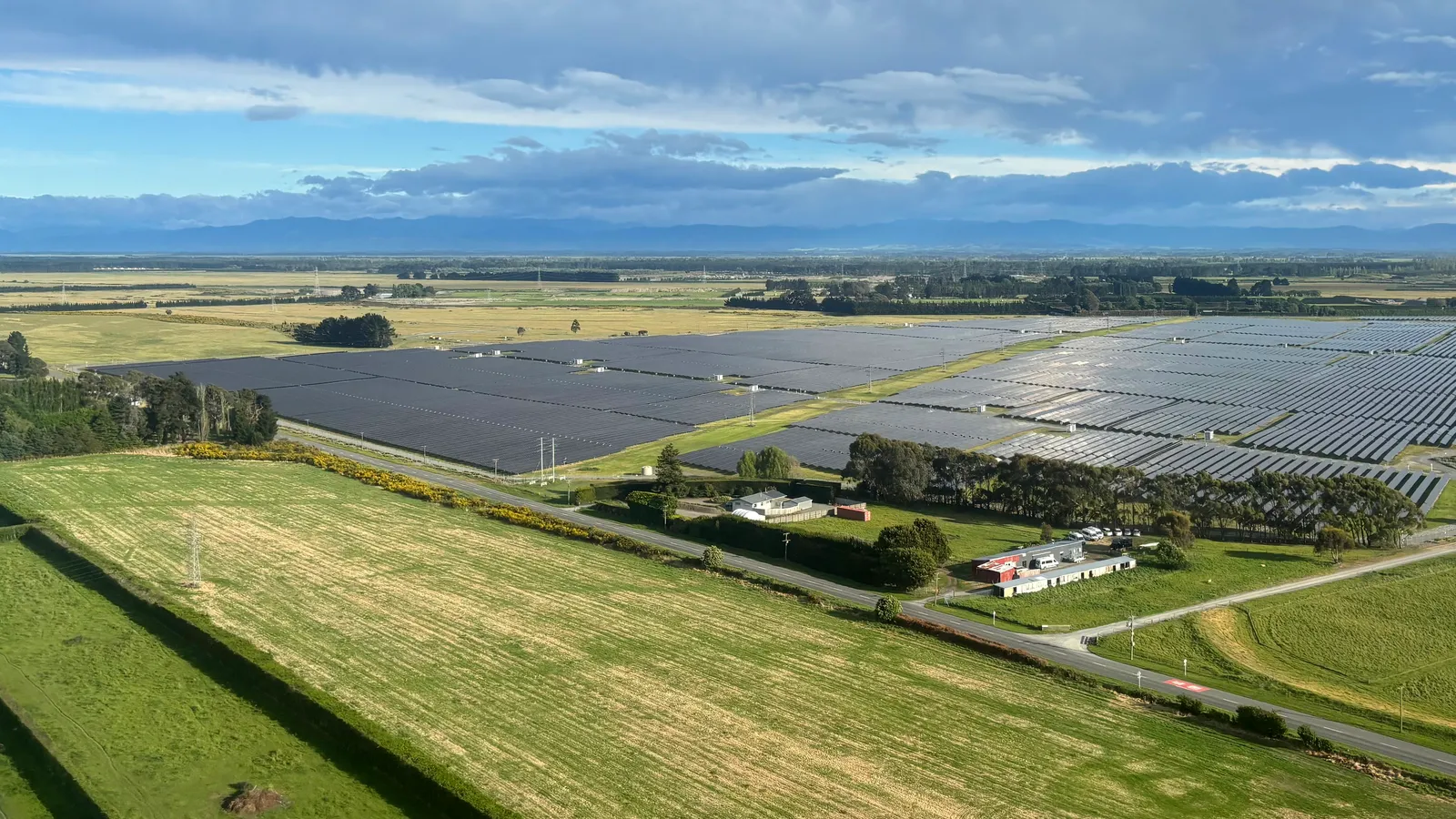
In Renewables 2023, the IEA reported that global renewable capacity additions in 2023 jumped by almost 50% to nearly 510 gigawatts — the fastest growth rate in two decades. Solar photovoltaics (PV) accounted for about three-quarters of those additions.
Falling solar module costs, policy support and energy security needs were the main drivers.
The "tripling" goal
At COP28 in Dubai (December 2023), countries agreed to work towards tripling global renewable energy capacity by 2030. The IEA considers this goal achievable, but it requires further acceleration, particularly in emerging and developing economies outside China.
Challenges to overcome
- Electricity grids: building transmission and modernising networks often lags behind building power plants.
- System flexibility: solar and wind are variable, so energy storage, demand response and smarter planning are needed.
- Financing: high capital costs in many developing countries slow investment.
- Permitting and supply chains that need to be simplified and strengthened.
The digital role in the energy transition
Digital technology helps integrate renewable energy into the system: production forecasting based on weather data, remote monitoring of plant and panel performance, load management in buildings and industrial estates, and platforms that connect energy producers and consumers.
The energy transition is not just about building new power plants, but also about building systems that can manage them reliably.
Sources & references
This article is a summary and interpretation by the Oemah Solution team of the sources below. Refer to the original sources for full details and context.