
Urban Trees: The Most Natural Way to Cool Down a City
Urban forests are on average 1.6°C cooler than areas without green space. Here is how trees reduce the urban heat island effect, according to the EPA.
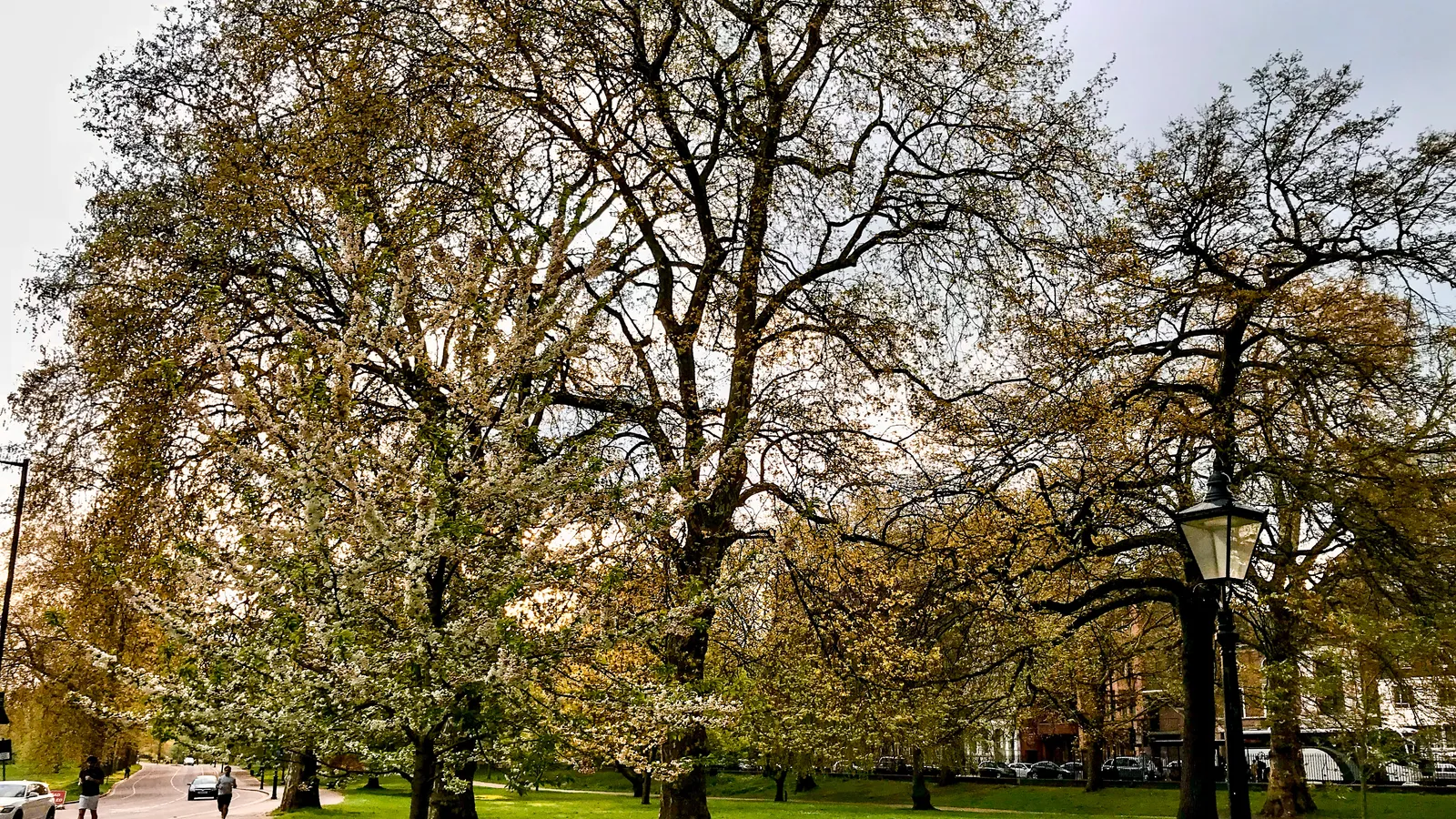
Urban areas tend to be hotter than their surroundings. This phenomenon is called the urban heat island: asphalt, concrete and roofs absorb solar heat and release it again, while green space becomes increasingly scarce.
Two ways trees cool a city
The U.S. Environmental Protection Agency (EPA) describes two main mechanisms:
- Shade. Tree canopies block solar radiation before it reaches roads, pavements and roofs, so those surfaces store less heat than surfaces exposed directly to the sun.
- Evapotranspiration. Trees absorb water through their roots and evaporate it through their leaves; this process cools the surrounding air.
The EPA cites a review of 308 studies which found that, on average, urban forests were 1.6°C (3.0°F) cooler than urban areas without green space. The effect is most noticeable in dense neighbourhoods with few trees.
Other benefits
- Energy savings, because buildings shaded by trees need less air conditioning.
- Better air quality, as trees capture some pollutants.
- Stormwater management by reducing surface runoff.
- Health and comfort for residents, especially vulnerable groups during heatwaves.
Planting is not enough
For these benefits to materialise, greening programmes need to consider:
- Choosing tree species that suit the climate and growing space and do not damage infrastructure.
- The right locations — prioritise dense areas with low green cover.
- Long-term care, since young seedlings need watering and protection for years.
- Transparent records: the number, species, location and condition of trees are documented so their impact can be monitored publicly.
Planting trees is a long-term investment. With good data, local governments, communities and institutions can make sure every tree contributes to a cooler, healthier city.
Sources & references
This article is a summary and interpretation by the Oemah Solution team of the sources below. Refer to the original sources for full details and context.