
Water for Agriculture: Precision Irrigation and Hydroponics Amid a Water Crisis
Agriculture uses about 70% of the world’s freshwater withdrawals. Precision irrigation, IoT sensors and hydroponics help grow more food with less water.
According to the World Bank, agriculture accounts for about 70% of all freshwater withdrawals globally. With population growth, changing rainfall patterns due to climate change, and competing water demand from cities and industry, water efficiency in agriculture is becoming increasingly urgent.
The problem: water lost before plants can use it
With conventional irrigation such as flooding, some water is lost through evaporation, runoff and percolation into soil layers beyond the reach of roots. Watering is also often done on a fixed schedule rather than according to the plants' actual needs.
More water-efficient approaches
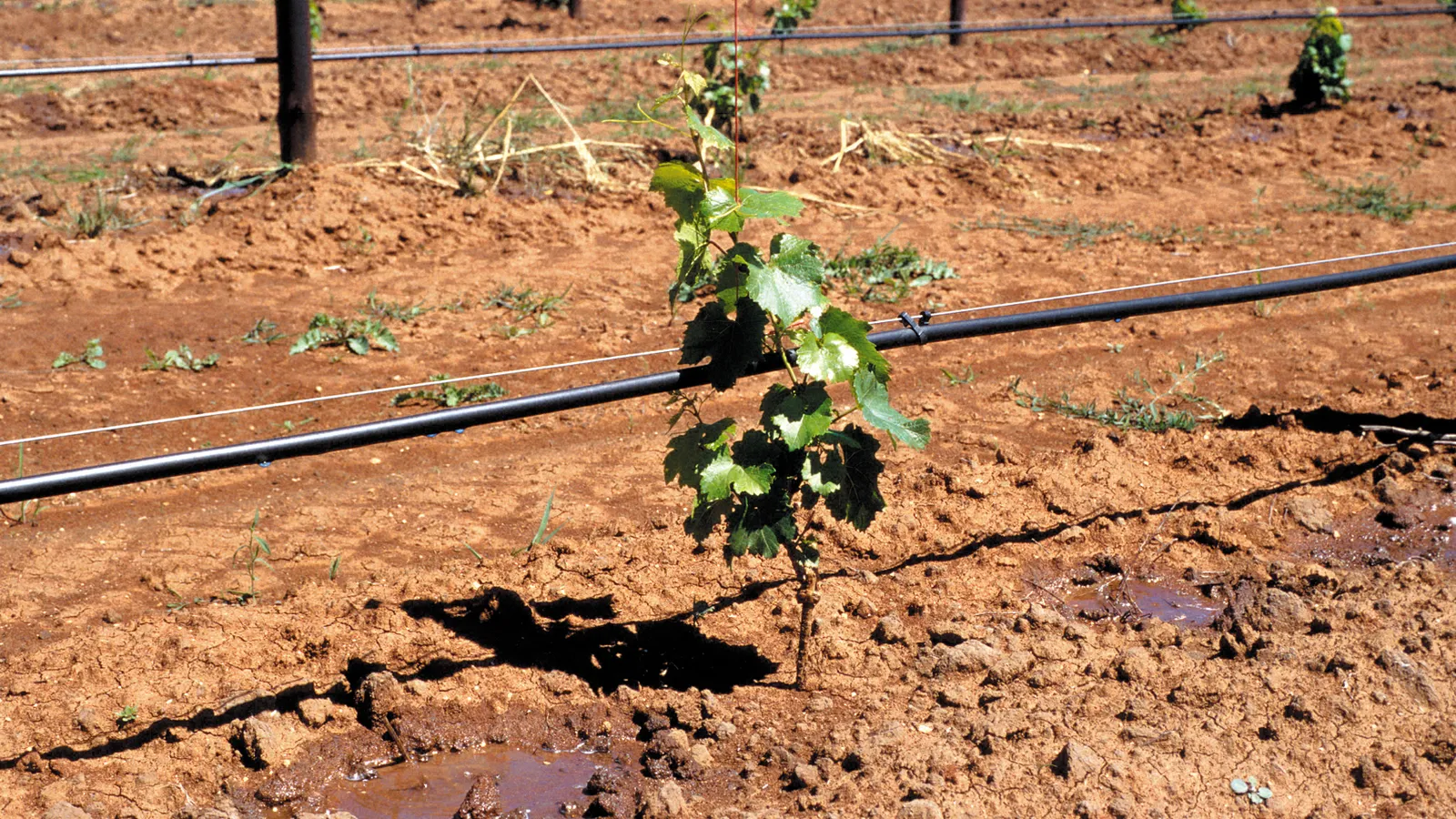
Drip and precision irrigation Water is delivered directly to the root zone in measured amounts. Combined with soil-moisture sensors and weather data, systems can water only when needed.
Hydroponics and closed systems Plants grow in a nutrient solution without soil. In recirculating systems, the nutrient water flows back, so water losses are far smaller than in open-field cultivation. Hydroponics inside a greenhouse also enables more stable, controlled production.
IoT-based monitoring Sensors for temperature, humidity, pH and the EC (electrical conductivity) of the nutrient solution provide real-time data. Growers can:
- Keep pH and nutrient concentration within the optimal range.
- Detect pump or water-flow problems early.
- Control fans, heaters and nutrient dosing automatically or remotely.
Keys to success
- Start with baseline data: how much water and nutrient is actually used per harvest cycle.
- Calibrate sensors regularly so automated decisions stay accurate.
- Train operators — technology is only effective when its users understand it.
- Work out the economics, including pump energy and maintenance costs.
Precision agriculture is not only for large plantations. With increasingly affordable devices, small and medium horticulture growers can also save water while improving harvest quality.
Sources & references
This article is a summary and interpretation by the Oemah Solution team of the sources below. Refer to the original sources for full details and context.