
Mangroves and Blue Carbon: Indonesia’s Natural Coastal Defence
Mangrove forests store large amounts of carbon in their sediments while protecting coasts from erosion. Indonesia has one of the largest mangrove areas in the world.
Blue carbon is the carbon captured and stored by coastal and marine ecosystems, mainly mangroves, seagrass meadows and salt marshes. These ecosystems can store carbon long-term in waterlogged sediments, where decomposition is very slow.
Why mangroves are special
- Dense carbon stores. Most mangrove carbon is stored in soils and sediments, not just in trunks and leaves. That is why destroying mangroves can release carbon accumulated over centuries.
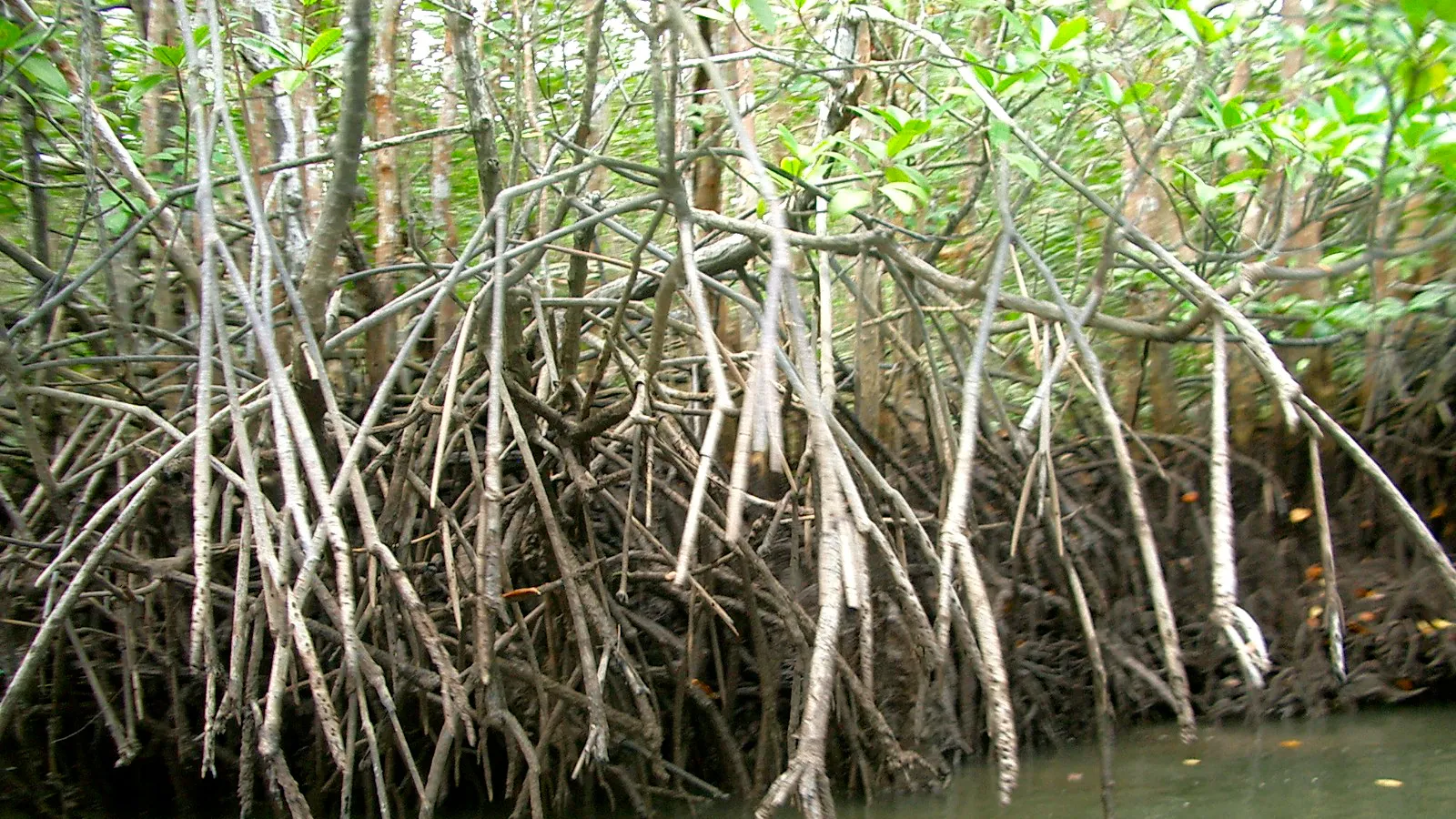
- Coastal protection. Mangrove roots dampen wave energy, reduce erosion and help protect settlements from storms and sea-level rise.
- Livelihoods. Mangroves are nursery grounds for fish, crabs and shrimp that support coastal fisheries.
- Natural filters that trap sediment and pollutants before they reach the sea.
Indonesia and mangroves
Indonesia is among the countries with the largest mangrove areas in the world. However, conversion to aquaculture ponds, settlements and infrastructure has caused mangrove loss in many regions. Protecting the remaining mangroves and restoring degraded areas are important parts of climate and coastal resilience strategies.
Restoration that works
Research and field experience show that mangrove restoration is more successful when it:
- Restores suitable hydrological conditions (tidal flow), not just planting seedlings.
- Selects species according to the site's zonation.
- Involves local communities from planning through maintenance.
- Monitors survival rates regularly and in a documented way.
Location- and photo-based records — as used in app-based planting programmes — help ensure that every seedling planted is actually cared for and that its impact can be measured.
Sources & references
This article is a summary and interpretation by the Oemah Solution team of the sources below. Refer to the original sources for full details and context.