

Passkeys and FIDO2: The Future of Passwordless Login
Passkeys replace passwords with phishing-resistant public-key cryptography. What are FIDO2 and WebAuthn, and why should your application support them?
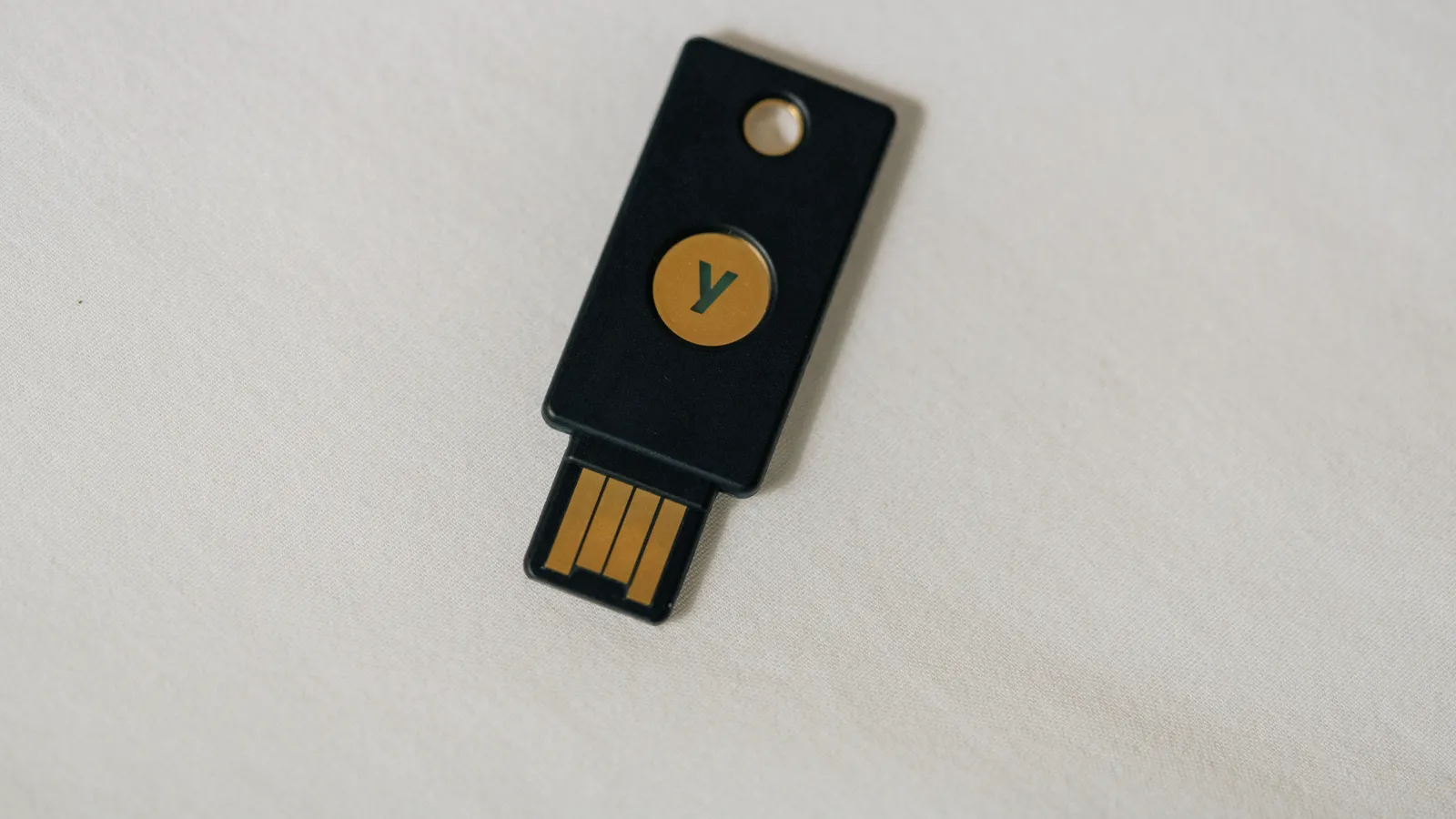
Passwords are a classic weak point: easy to guess, reused across many services, and vulnerable to theft through phishing pages. Passkeys offer a way to sign in that is both more secure and more convenient.
How passkeys work
Passkeys are built on the FIDO2 standard, which consists of the WebAuthn specification from the W3C and the CTAP protocol from the FIDO Alliance. When a user registers, their device creates a key pair:
- The private key stays on the device (or in a passkey manager) and is never sent to the server.
- The public key is stored by the service.
When signing in, the server sends a challenge that can only be signed by the private key. The user simply unlocks their device with a fingerprint, face or PIN.
Why they resist phishing
A passkey is bound to the service's domain (the relying party). A fake page on a different domain cannot request a signature for the real domain, so phishing attacks that imitate the login page become ineffective. The server also stores no secret that could be leaked — a database breach only exposes public keys.
Implementation considerations
- Provide a secure account recovery path in case users lose their device.
- Support synced passkeys (through platform passkey managers) so users can sign in from new devices.
- Run alongside existing methods during the transition, then encourage users to switch.
- Use a mature WebAuthn library instead of writing your own cryptographic verification.
For both public-service and enterprise applications, passkeys reduce password-reset workload, lower the risk of account takeover, and give users a faster sign-in experience.
Sources & references
This article is a summary and interpretation by the Oemah Solution team of the sources below. Refer to the original sources for full details and context.