NOAA: El Niño Strengthens, About 60% Chance of a Record Event, Rainfall in Indonesia Suppressed
NOAA CPC says a strong to very strong El Niño is likely to continue into early 2027, with about a 60% chance of a record event, while rainfall in Indonesia remains suppressed.
This article was prepared with AI assistance from the official sources listed below, and checked automatically before publication.

The NOAA Climate Prediction Center (CPC), in its ENSO Diagnostic Discussion published on 12 November 2026, stated that El Niño has strengthened again compared with the previous month. According to the CPC, a strong to very strong event is very likely to persist through the January–March 2027 period, and the chance of an event that goes on record is greater than not. The report also noted that rainfall in Indonesia remains suppressed.
Details of the CPC findings
The main points of the discussion are as follows:
- Sea surface temperature anomalies in the eastern equatorial Pacific exceeded 4.0°C and extended further westward.
- The Niño indices were +2.5°C in Niño-3.4, +3.6°C in Niño-3, and +4.4°C in Niño-1+2.
- The chance of a strong to very strong El Niño persisting through January–March 2027 is stated to be still above 79%.
- The chance of a historic event, that is, exceeding previous El Niño events since 1950 (a three-month RONI value of +2.5°C or more), is about 60% for October–December and November–January.
- Convection and rainfall remain enhanced from the central to the eastern Pacific, while suppressed conditions persist over Indonesia.
The CPC expects El Niño to continue strengthening before it begins to weaken in early 2027. The next update is scheduled for 10 December 2026.
Why it matters for Indonesia
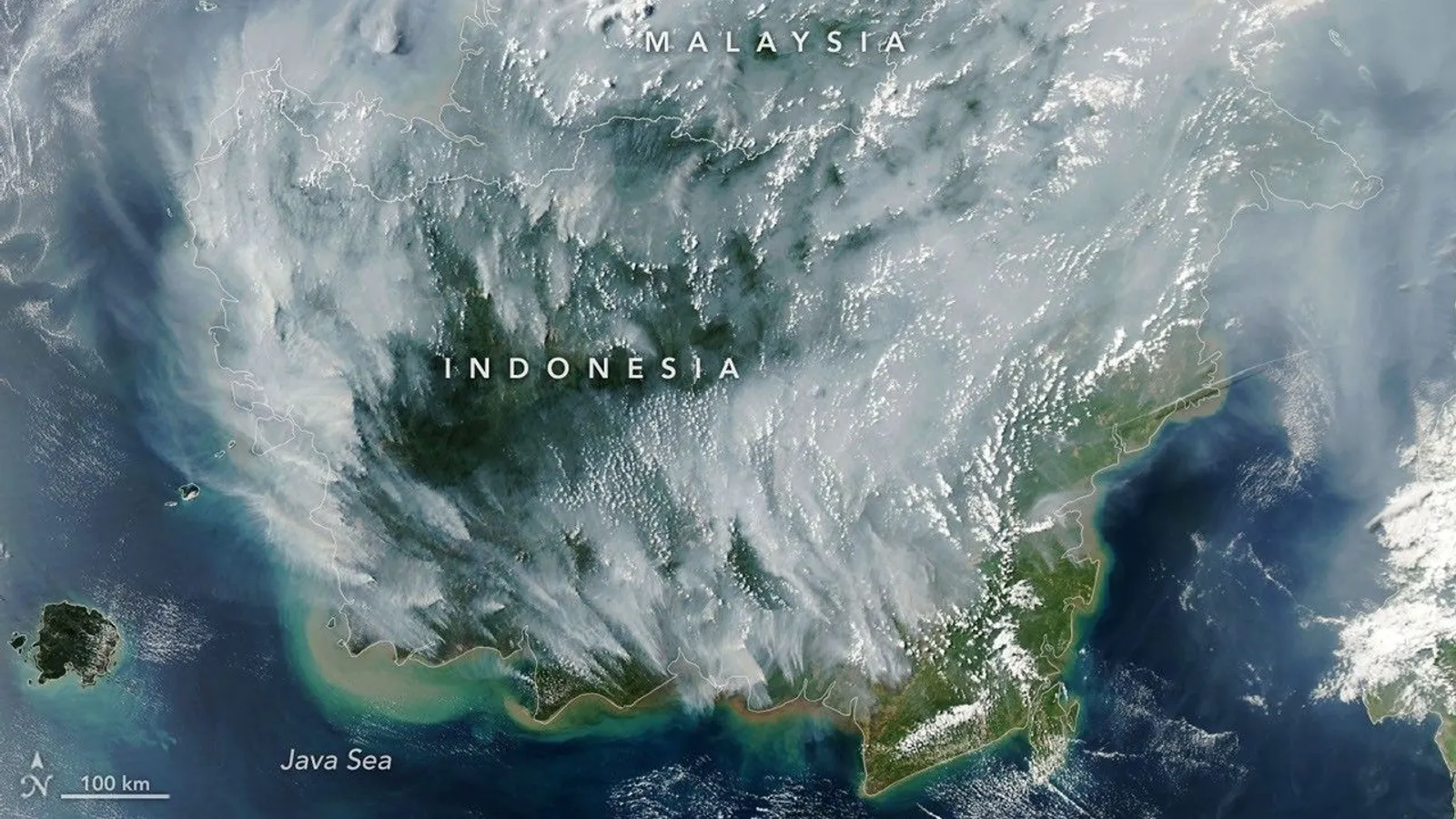
The CPC's note on suppressed rainfall in Indonesia is relevant to many sectors. Reduced rainfall under a strong El Niño can increase the risk of drought, forest and peatland fires, water shortages, and stress on crops. These impacts are not direct claims made in the CPC report, but implications commonly associated with reduced rainfall, so they need to be confirmed against official forecasts from national agencies such as BMKG.
Those who most need to pay attention include:
- central and regional government agencies that manage disasters and the environment;
- plantation and agribusiness companies;
- water and utility providers;
- urban service operators.
Practical steps for organisations
Because the strong El Niño period is expected to continue into early 2027, organisations can start preparing anticipatory measures now:
- Monitor official climate data. Follow the next NOAA update on 10 December 2026 and combine it with information from Indonesia's meteorological authority.
- Make use of sensor and satellite data. Platforms that monitor hotspots, soil moisture and water levels help detect risks earlier.
- Build an early warning system. Thresholds and automatic notifications make it easier for field teams to act quickly.
- Draw up a contingency plan. Prepare scenarios for water supply, plantation operations and fire response for the coming months.
- Integrate data across units. A unified dashboard allows management to make decisions based on the same data.
Closing note
The CPC's figures show that the current El Niño is at a level that rarely occurs. Data-driven preparation, rather than reacting after the impacts appear, will determine how ready organisations in Indonesia are to face a drier season.
Sources & references
This article is a summary and interpretation by the Oemah Solution team of the sources below. Refer to the original sources for full details and context.