NOAA: October 2026 Was the Warmest October on Record (1850–2026), With Sea Surface Temperatures Also at a Record High
NOAA NCEI recorded a global surface temperature in October 2026 that was 1.43°C above the 20th-century average, the highest for any month, with ocean temperatures also setting a record.
This article was prepared with AI assistance from the official sources listed below, and checked automatically before publication.

The NOAA National Centers for Environmental Information (NCEI) reports that the global surface temperature in October 2026 was 1.43°C (2.57°F) above the 20th-century average. According to NOAA NCEI, this is the highest departure for any month in the 1850–2026 record. The report was published on 11 November 2026 and notes that sea surface temperatures also reached an all-time record high.
Key findings in detail
In its release, NOAA NCEI states that the October 2026 temperature exceeded the previous October record (2023) by 0.08°C. It was also the 50th consecutive October with a global temperature above the 20th-century average, and all 10 of the warmest Octobers on record have occurred since 2015.
Other key points:
- The global sea surface temperature departure reached 1.14°C above average, the highest for any month. This was the fifth consecutive month with a record ocean temperature for that month, and the third consecutive month with a record ocean temperature for any month.
- Record ocean temperature departures were recorded across large areas of the central and eastern tropical Pacific, consistent with the ongoing El Niño, as well as in parts of the northern Pacific, the Atlantic, the Indian Ocean and the Southern Ocean.
- The global land temperature was 2.08°C above average, the third highest for October in the 177-year record, after 2023 and 2024.
- Asia recorded its second-warmest October on record.
- No land or ocean area experienced its coldest October on record.
Year-to-date picture and cyclone activity
For the January–October 2026 period, the global temperature was 1.20°C above average, the second highest on record. Only the same period in 2024 was warmer, at +1.25°C. Based on its Global Annual Temperature Outlook, NOAA assesses that 2026 is very likely to rank among the five warmest years, with the greatest likelihood of placing second.
NOAA also reported above-average global tropical cyclone activity in October, with 15 tropical storms. The Pacific accounted for most of the activity, including five storms in the western Pacific, all of which developed into major tropical cyclones. NOAA links these conditions to El Niño, which favours cyclone formation.
Why it matters for Indonesia
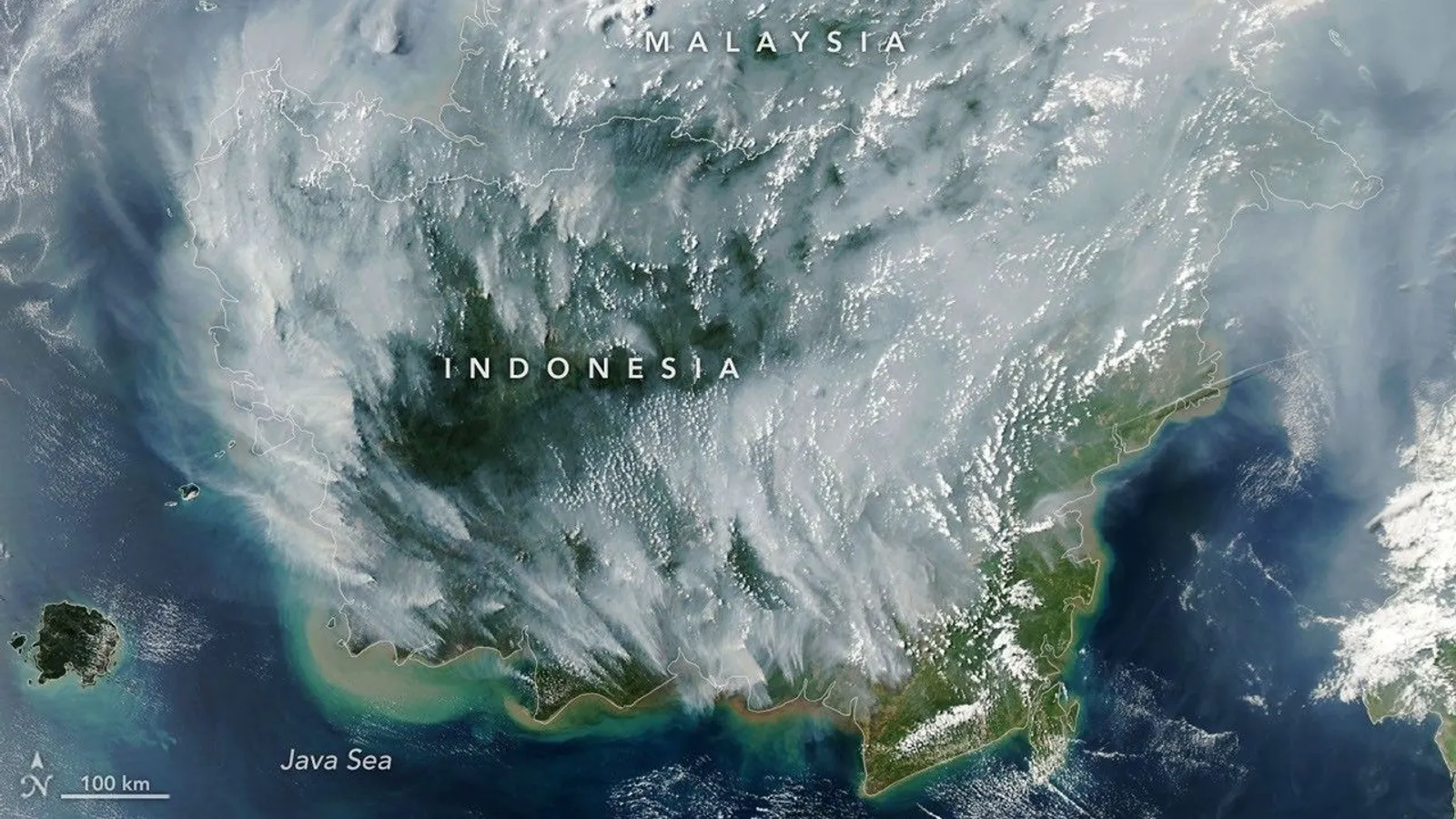
The NOAA report does not address Indonesia specifically. However, extreme warming in the tropical Pacific caused by El Niño is relevant to archipelagic nations in the region. Sectors that are typically sensitive to climate variability include agriculture, energy and logistics. Risks worth anticipating include drought, land and forest fires, and disruption to planting seasons; the precise picture should still be based on official forecasts from national agencies.
Practical steps for organisations
Open climate data such as that provided by NOAA NCEI can be used for risk planning. Some steps to consider:
- Incorporate monthly climate indicators, such as global and ocean temperature anomalies, into operational risk monitoring dashboards.
- Combine global data with local weather and climate data from national authorities so that decisions are better contextualised.
- Prepare contingency scenarios for supply chains, energy needs and agricultural production schedules.
- Document data sources and methods so that analyses can be audited and updated regularly.
Note that NOAA states it is moving its data and applications to the cloud, so a number of access portals and interactive maps are temporarily unavailable and data updates may be slower. Organisations building data integrations should allow for possible delays.
Sources & references
This article is a summary and interpretation by the Oemah Solution team of the sources below. Refer to the original sources for full details and context.